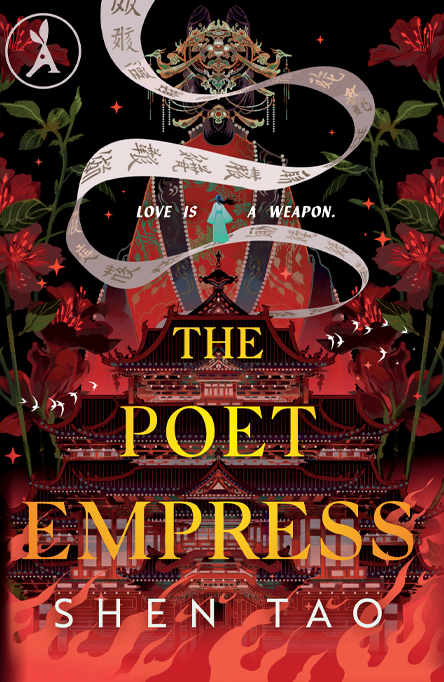
Debut author Shen Tao introduces readers to the lush, deadly world of The Poet Empress, a sweeping, epic and intimate fantasy perfect for fans of The Serpent & the Wings of Night, The Song of Achilles and She Who Became the Sun.
Torture, discussion of CSA, child death.
Wei Yin is desperate. After the fifth death of a sibling, with her family and village on the brink of starvation, she will do anything to save those she loves.
Even offer herself as concubine to the cruel, dissolute heir of the blood-gutted Azalea House—where poetry magic is power, but women are forbidden to read.
But in a twist of fate, the palace now stands on the knife-edge of civil war, with Wei trapped in its center… with a violent prince.
To save herself and the nation, she must survive the dangers of court, learn to read in secret, and compose the most powerful spell of all. A ballad of love… and death.
Don't just take our word for it...
“The many political threads become fascinatingly tangled, Tao’s prose gleams with poetic precision, and climactic revelations strike with devastating inevitability.”
– Publisher’s Weekly, starred review 🌟
“Resilient and clever, Wei is the heart of the novel, striving to navigate a world of lies and cruelty without becoming cruel herself. She learns to wield power with fidelity to her purpose, and though the novel’s title alludes to her triumph, the story is full of page-turning suspense.”
– Kirkus Review
“Tao’s debut is an intricate study of court politics and what a young woman will do to survive.”
– Library Journal, starred review 🌟
Taste the very first page
My sister Larkspur was the fifth child we buried.
It was a cold and misty dawn as Ma and I climbed the hill out of our village, towards the Ancestors. We carried with us only some incense and a bamboo casket small enough I could tuck it under one arm.
The fifth time had been the easiest. She had been so little when she left us, only three days old. When Ma wept yesterday, when Larkspur’s tiny chest had stopped rising, I suspected that she mourned not her daughter but all the extra bowls of rice she’d consumed during her pregnancy, nutrition that was now wasted. Ba didn’t even weep. He might have wept, I thought, if Larkspur had been born a boy.
My brother Bao was still young enough to believe dead girls became kittens in their next life. He liked kittens, so he did not weep either.
So it happened that, of all of us, I was the one who mourned Larkspur the most. Not as much as the other times, but I did cry as we lowered the casket on a bed of poppies at the crest of the hill. As I knelt next to the box on the damp soil, I remembered how I had already nicknamed her in my head. Little Lark. I remembered how I had pictured us chasing each other down the drying rice paddies, her delighted laugh as I showed her the best corners to catch catfish. I remembered how I had imagined braiding her hair, as I thought big sisters ought to do, as we giggled and gossiped about the village boys.
After we lit the incense, I kissed the cold crate. I told the Ancestors to take Larkspur to a place where she would never be hungry.
A place, or a time.
I asked the Ancestors to let her be born again earlier. Perhaps when the Azalea Dynasty was not withering and a dying emperor did not sit the throne. I asked them for a time when the people who ruled over us were still good, and children newly born did not die of a famine nobody knew the cause of.
An earlier time, or perhaps even a later one. When dynasty and emperor and thrones and famine became all a distant memory. I should like Larkspur to be born again then, in a time when all children could learn to read, even poor ones, even girls.
It was not long before the land took her.
Ma and I watched, silent, as tendrils of vines snaked up from the soil and wrapped themselves around the crate. Little white flowers blossomed on the bamboo, and from the canopy above, a nightingale crooned. The country might have forgotten people like us, but the Ancestors still remembered.
You might also like
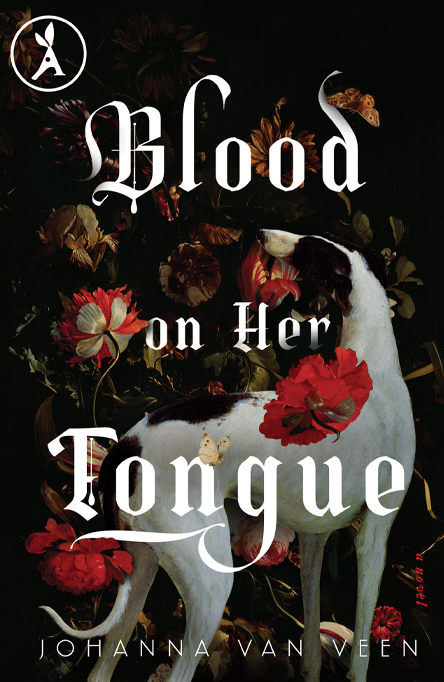
Blood on Her Tongue
Lucy's twin sister Sarah is unwell. She refuses to eat, mumbles nonsensically, and is increasingly obsessed with a centuries-old corpse recently discovered on her husband's grand estate.
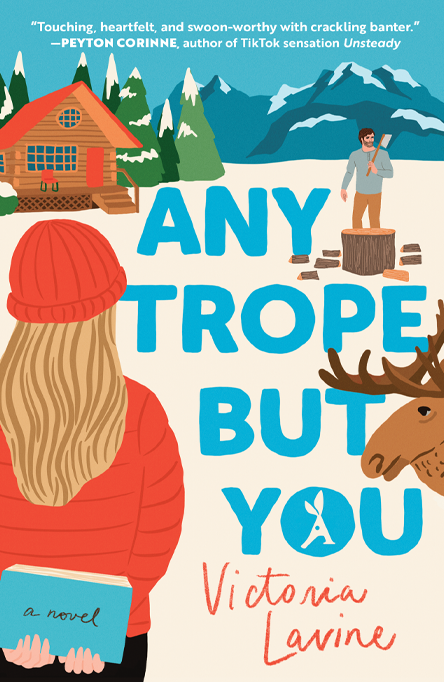
Any Trope But You
A bestselling romance author flees to Alaska to reinvent herself and write her first murder mystery, but the rugged resort proprietor soon has her fearing she’s living in a rom-com plot instead.
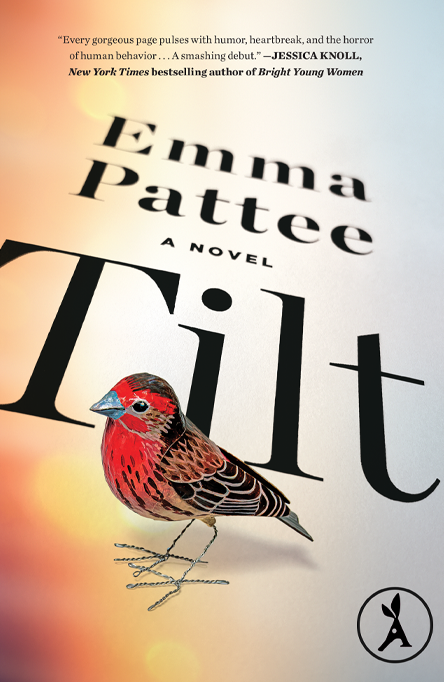
Tilt
Annie is nine months pregnant. She’s shopping for a crib at IKEA. That’s when the massive earthquake hits. There’s nothing to do but walk.
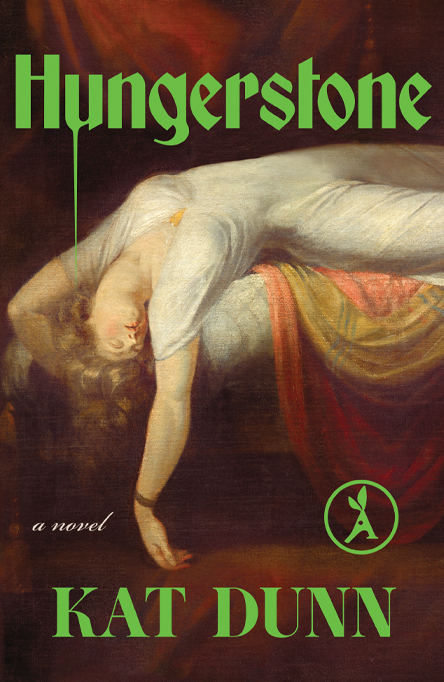
Hungerstone
A compulsive feminist reworking of Carmilla, the queer novella that inspired Dracula.
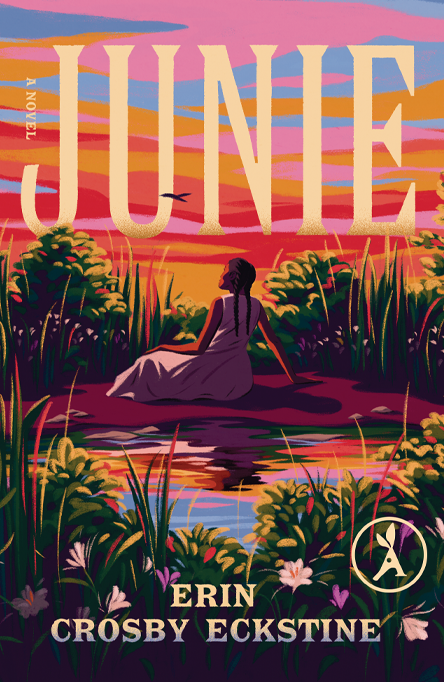
Junie
A young girl must face a life-altering decision after awakening her sister’s ghost, navigating truths about love, friendship, and power as the Civil War looms.
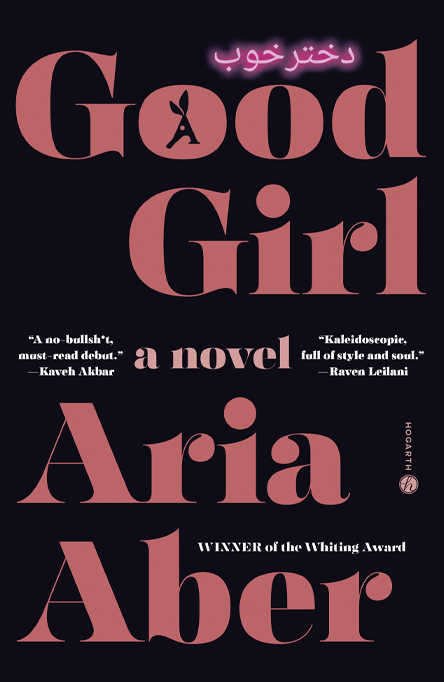
Good Girl
An electric debut novel about the daughter of Afghan refugees and her year of self-discovery and a portrait of the artist as a young woman set in a Berlin that can’t escape its history.
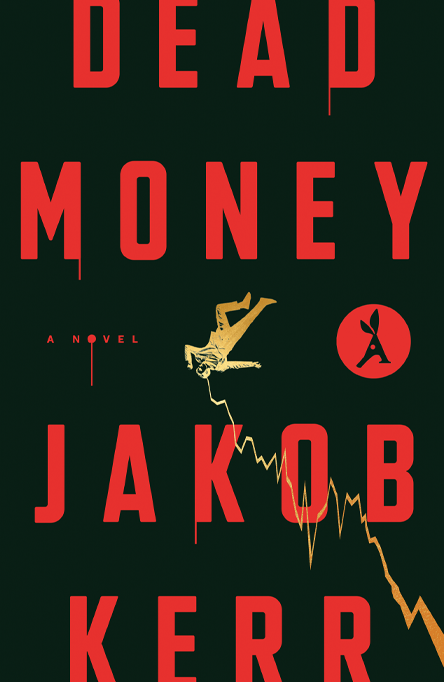
Dead Money
Featuring jaw-dropping twists and a wily, outsider heroine you can’t help rooting for, Dead Money is a brilliant sleight-of-hand mystery.
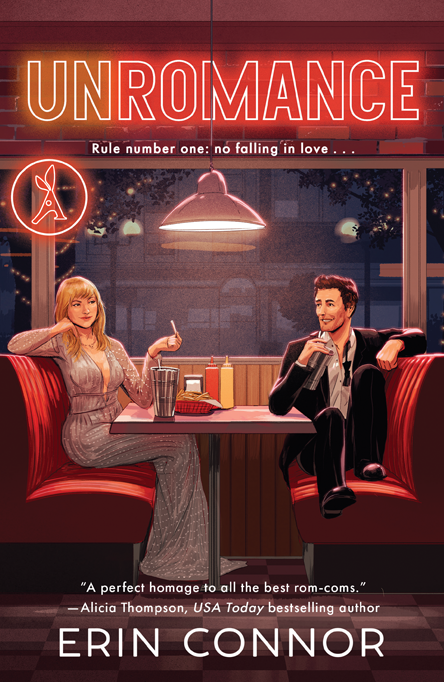
Unromance
A recently dumped TV heartthrob enlists a jaded romance novelist to ruin romance for him—one rom-com trope at a time—so he never gets swept off his feet again…
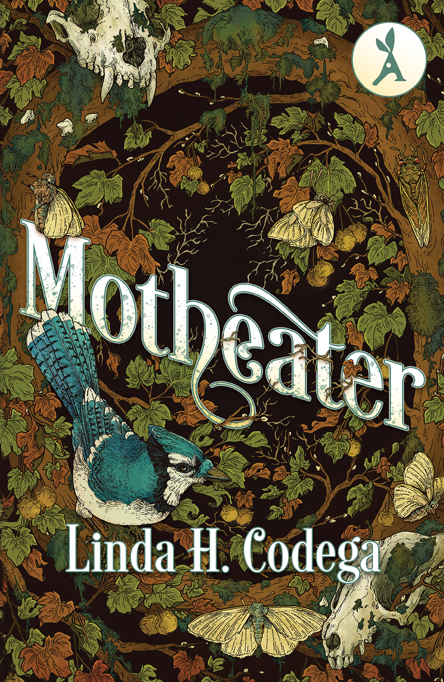
Motheater
In this nuanced queer fantasy set amid the Appalachian Mountains in Virginia, the last witch of the Ridge must choose sides in a clash between industry and nature.
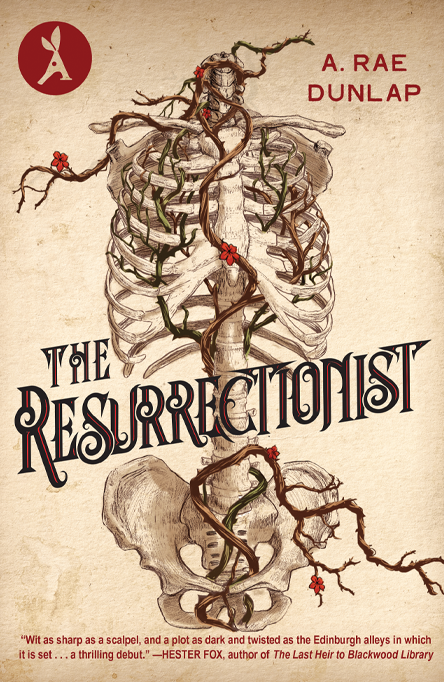
The Resurrectionist
A twisty gothic debut set when real-life serial killers Burke and Hare terrorized the streets of Edinburgh, as a young medical student is lured into the illicit underworld of body snatching.
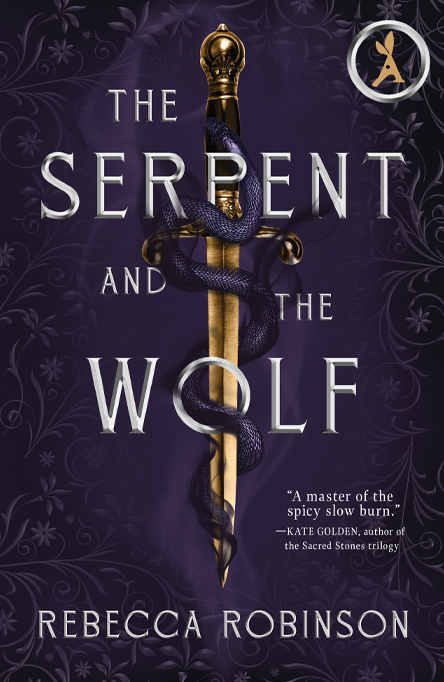
The Serpent and the Wolf
A thrilling romantasy debut combines high-stakes political intrigue and a steamy, slow-burn, enemies-to-lovers romance.
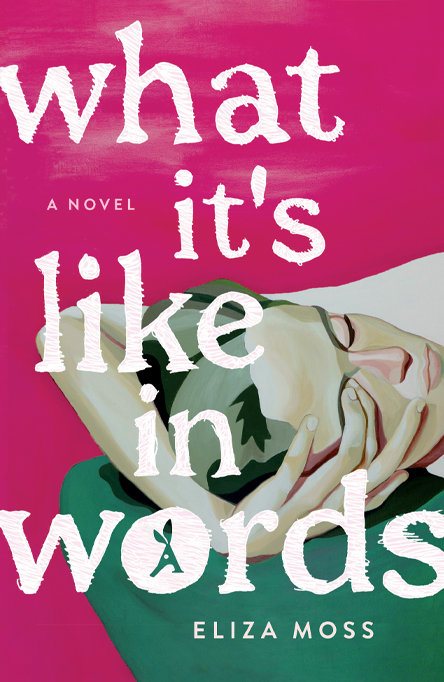
What It’s Like in Words
A dark, intense, and compelling account of what happens when a young woman falls in love with the wrong kind of man.
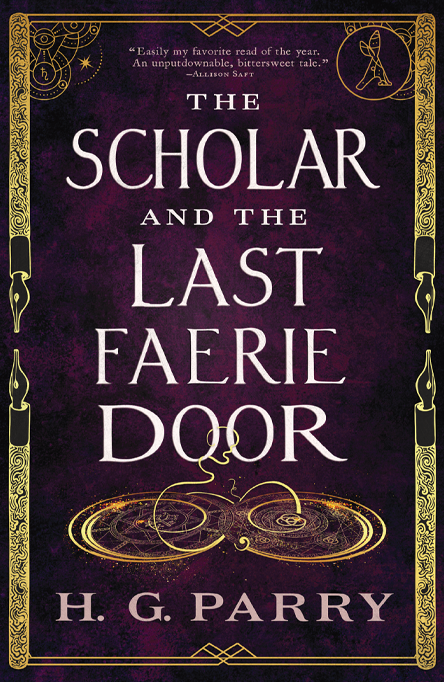
The Scholar and the Last Faerie Door
A mythic, magical tale full of secret scholarship, faerie curses, and the deadliest spells of all—the ones that friends cast on each other.
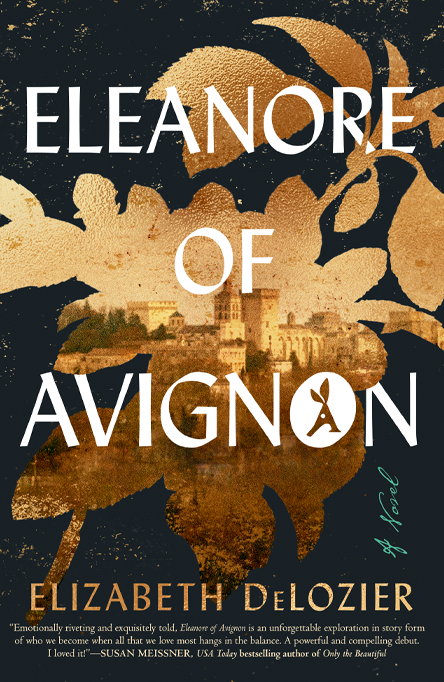
Eleanore of Avignon
The story of a healer who risks her life, her freedom, and everything she holds dear to protect her beloved city from the encroaching Black Death.
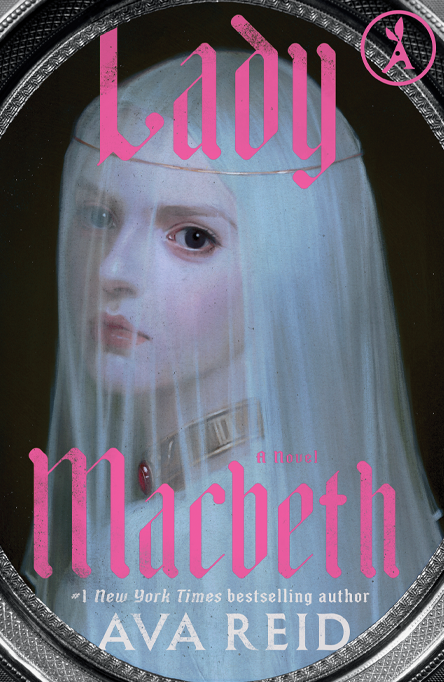
Lady Macbeth
A reimagining of Lady Macbeth, Shakespeare’s most famous villainess, giving her a voice, a past, and a power that transforms the story men have written for her.
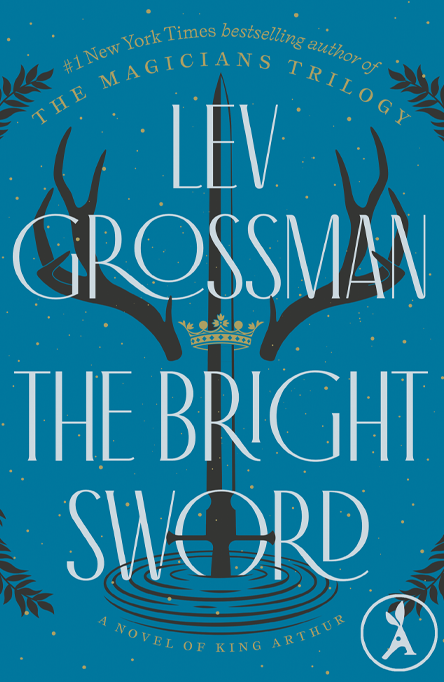
The Bright Sword
The #1 New York Times bestselling author of the Magicians trilogy returns with a triumphant reimagining of the King Arthur legend for the new millennium.
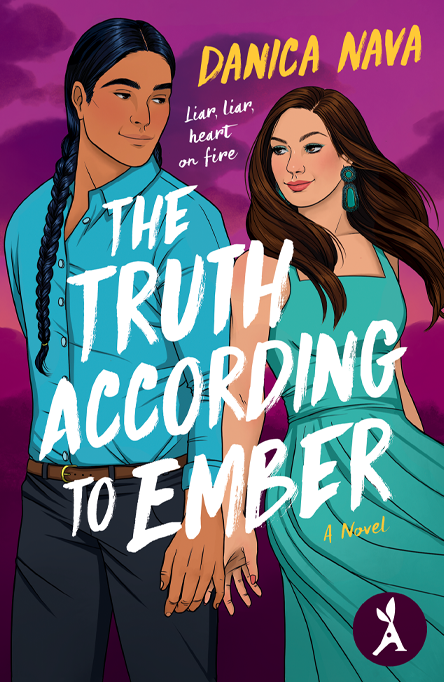
The Truth According to Ember
A Chickasaw woman who can’t catch a break serves up a little white lie that snowballs into much more in this witty and irresistible rom-com by debut author Danica Nava.
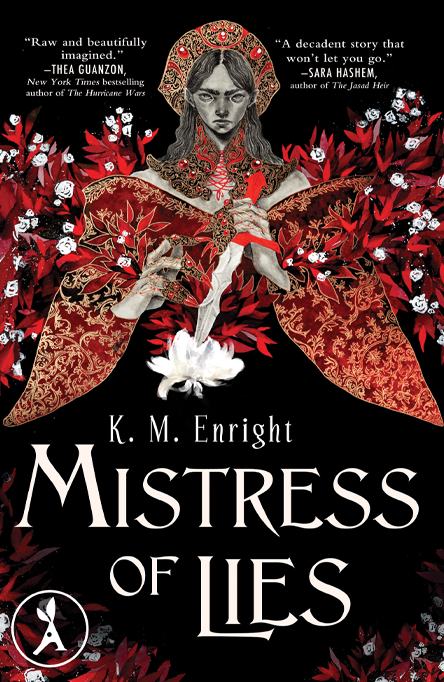
Mistress of Lies
A villainous, bloodthirsty heroine finds herself plunged into the dangerous world of power, politics and murder in the court of the vampire king in this dark romantic fantasy debut.
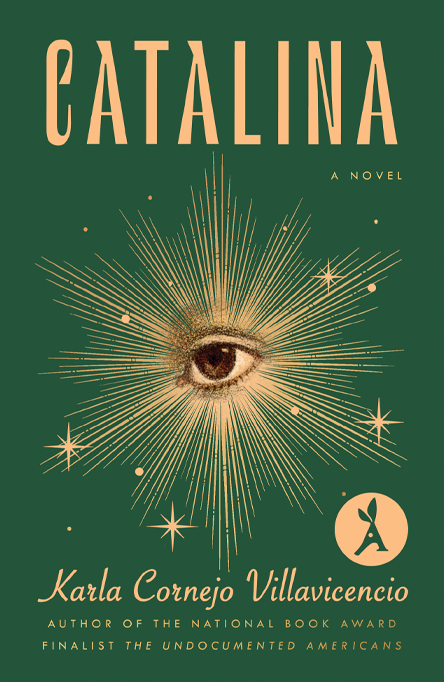
Catalina
A year in the life of the unforgettable Catalina Ituralde, a wickedly wry and heartbreakingly vulnerable student at an elite college.
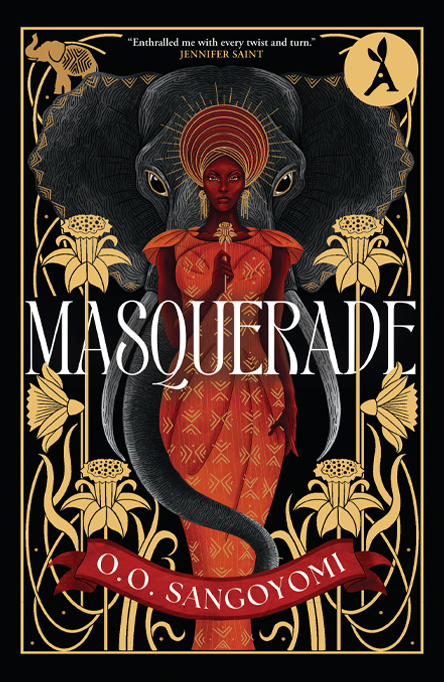
Masquerade
Set in a wonderfully reimagined 15th century West Africa, Masquerade is a dazzling, lyrical tale exploring the true cost of one woman’s fight for freedom and self-discovery, and the lengths she’ll go to secure her future.
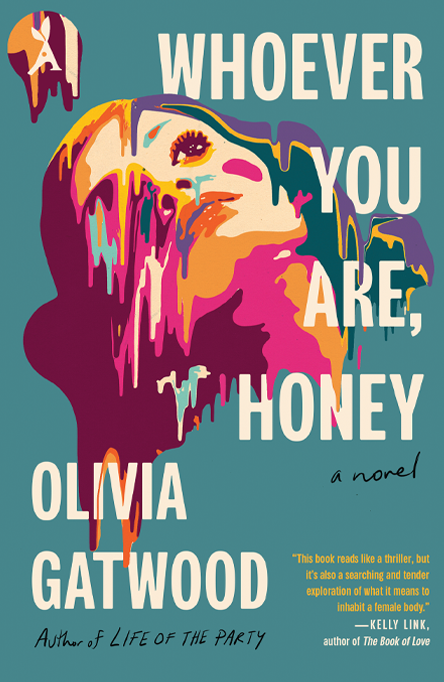
Whoever You Are, Honey
This darkly brilliant debut novel explores how women shape themselves beneath the gaze of love, friendship, and the algorithm—by a thrilling feminist voice for the age of AI.
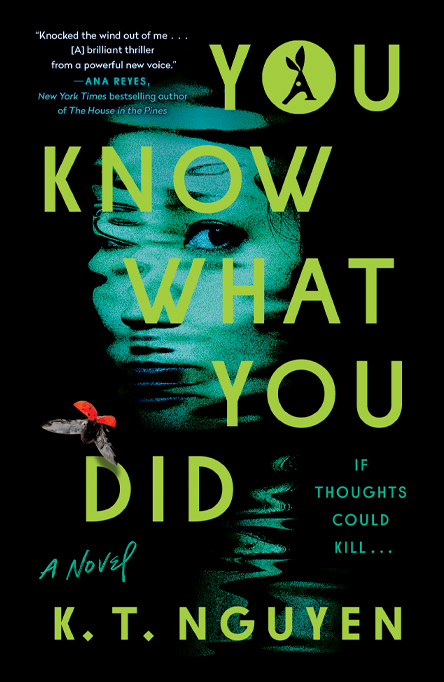
You Know What You Did
In this heart-pounding debut thriller for fans of Lisa Jewell and Celeste Ng, a first-generation Vietnamese American artist must confront nightmares past and present...