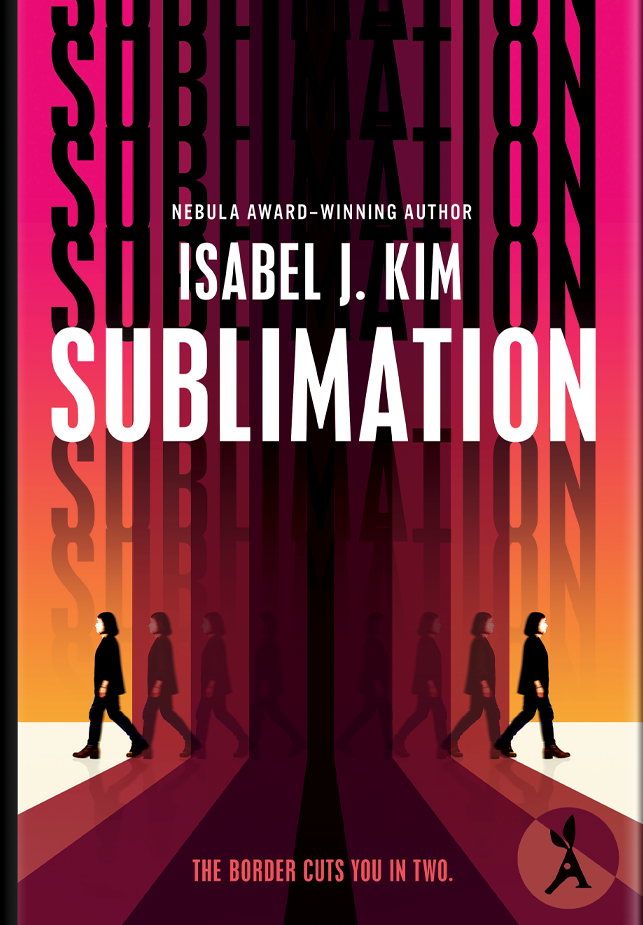
Doppelgängers, corporate intrigue, heartbreak, betrayal, and the harsh permanence of the border: Sublimation is a thrilling and provocative debut for fans of Severance that asks what you'd sacrifice for a different life from award-winning author Isabel J. Kim.
The border cuts you in two.
When you immigrate, you leave a copy of yourself behind, an instance. One person enters their new country; the other stays trapped at home.
Some instances keep in touch, call each other daily, keep their lives and minds in sync in the hopes of reintegrating and resuming a life as one person. Others, like Soyoung Rose Kang, leave home at ten years old and never speak to their other selves again. Rose, in America, never imagined going back to Korea until her grandfather died and her Korean instance called her home for the funeral.
She doesn’t know that Soyoung plans to steal her body and her life.
How far would you go to live the choice you didn’t make?
Don't just take our word for it...
“In this dazzling parable of connection and isolation, Isabel J. Kim’s vividly crafted characters navigate identity, belonging, and the weight of a divided history.”
– Scott Westerfeld, author of Uglies and The Mortons
“Beyond candescent… after Sublimation, the immigrant story will never be the same. Kim is a nerve-wracker and a heart-render, a Seoul-lighter and a world-raveler; she also happens to be one of the finest writers working today.”
– Junot Díaz, Pulitzer Prize-winning author of The Brief Wondrous Life of Oscar Wao
“One of the best debuts of the year. Sublimation speaks to our moment, in ways we could not have expected.”
– John Scalzi, New York Times bestselling author of Starter Villain
Taste the very first page
“Do you think it’s emotionally equivalent to murder?”
Yujin chokes on his latte. You take a smooth sip of your Americano. In retrospect, that was a morbid thing to say. It doesn’t fit the setting. You’re sitting in the basement of the Shinsegae Department Store, waiting for your instance in the cafe near the rotating displays that guard the entrance. The salespeople are loudly promoting dried persimmons in fancy gift boxes (Half off! Today only!). Commuters in nice clothing hurry past, using the food hall as a shortcut to the subway. Tourists examine the stalls and malinger.
The Shinsegae Department Store basement used to be your favorite place in all of Seoul. Your mom always took you through when you visited her at work, and you’d pick out something delicious (twigim, mandu, jun) to augment dinner at home. But these days, the physical reality of the basement always disappoints you. Everything is smaller, shabbier, too loud and not as wondrous. The jun don’t taste the same. They got rid of the ice cream stall you liked. You wonder if your instance will feel the same way, or if the years between visits will preserve some sort of magic when she returns. You kind of hope it will feel perfect for her, because you’d like to experience that perfection again. If and when she agrees to reintegrate. Or else for you, the memory will stay bittersweet and choked forever, because Harabeoji is dead and you’re never going to eat dinner with him again.
You feel regular about that. By regular, you mean very bad. Bad enough that you’re blithely asking Yujin about whether reintegration would be murder. That’s an awful thing to say to Yujin specifically, because Yujin talks about his other self like his instance will save him. But you can’t help yourself.
You want to stop talking about death but it keeps seeping out through the seams. You’re angry about that. Things shouldn’t matter to you so much; Harabeoji’s death shouldn’t be affecting you so greatly. It was a foregone conclusion, and it’s not like your mom or your fiancé or any of your friends or anyone young has died. This wasn’t a surprise death. So you’re in your twenties and your grandfather dies. So you knew it was coming. So you still feel like shit about the whole thing, and worse than shit, you feel guilty, because there’s the relief mingled in with the sadness— the relief of foregone conclusions. He’s dead and gone and you aren’t waiting for the drop anymore. What a terrible grandchild you are! Except, no. You’re allowed to feel however you want. Maybe you shouldn’t even feel bad. You visited him every other week in the house you grew up in, choked with slowly advancing vines. And you’re pretty sure he loved you the best, even if he called Minsoo his favorite, because Minsoo was the firstborn son. That love: another foregone conclusion.
“Murder?” Yujin says, and then in English, “Murder? Like, killing people?”
“Yeah, murder. Emotional murder.”
You might also like
Any Trope But You
A bestselling romance author flees to Alaska to reinvent herself and write her first murder mystery, but the rugged resort proprietor soon has her fearing she’s living in a rom-com plot instead.
Dissolution
A woman dives into her husband’s memories to uncover a decades-old feud threatening reality itself in this staggering technothriller from the bestselling author of Ascension.
Tilt
Annie is nine months pregnant. She’s shopping for a crib at IKEA. That’s when the massive earthquake hits. There’s nothing to do but walk.
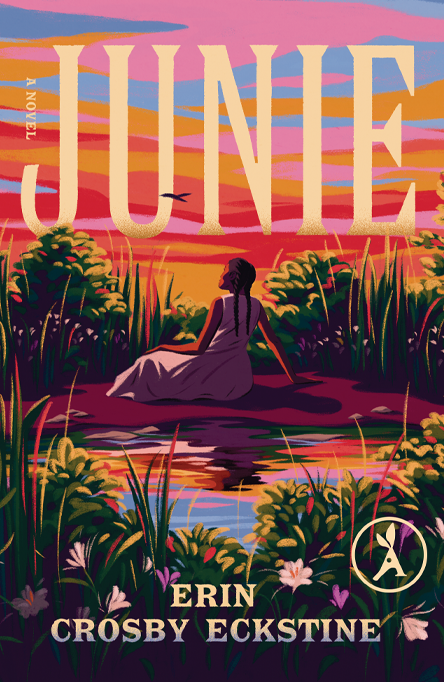
Junie
A young girl must face a life-altering decision after awakening her sister’s ghost, navigating truths about love, friendship, and power as the Civil War looms.
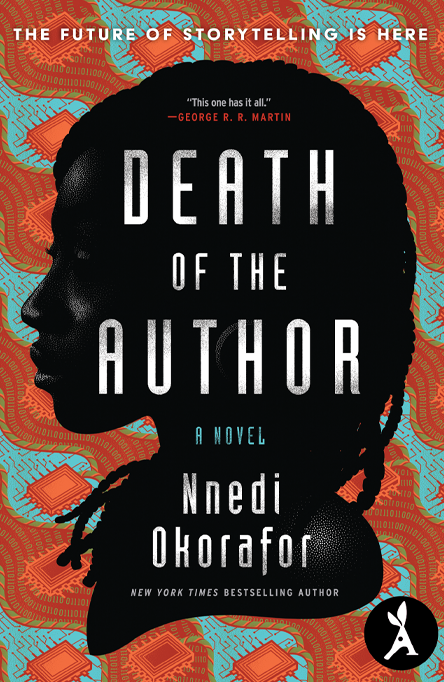
Death of the Author
A disabled Nigerian American woman pens a wildly successful Sci-Fi novel, but as her fame rises, she loses control of the narrative. This is a story unlike anything you’ve read before.
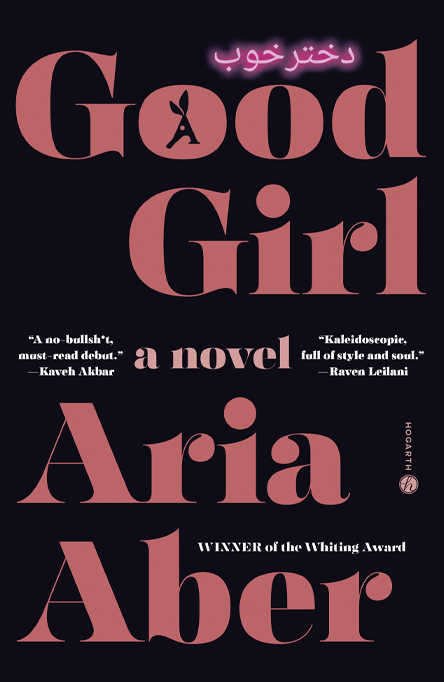
Good Girl
An electric debut novel about the daughter of Afghan refugees and her year of self-discovery and a portrait of the artist as a young woman set in a Berlin that can’t escape its history.
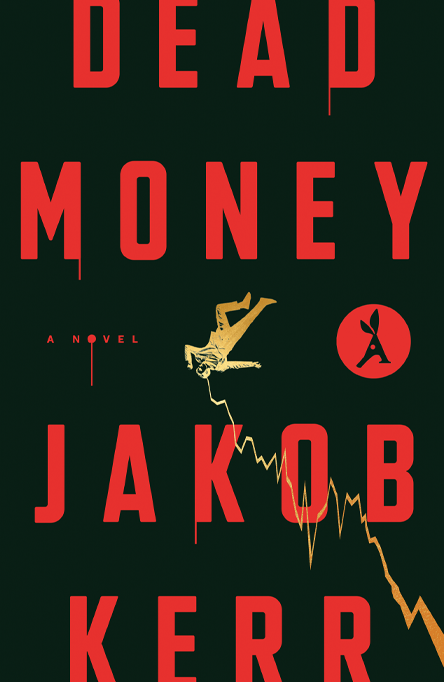
Dead Money
Featuring jaw-dropping twists and a wily, outsider heroine you can’t help rooting for, Dead Money is a brilliant sleight-of-hand mystery.
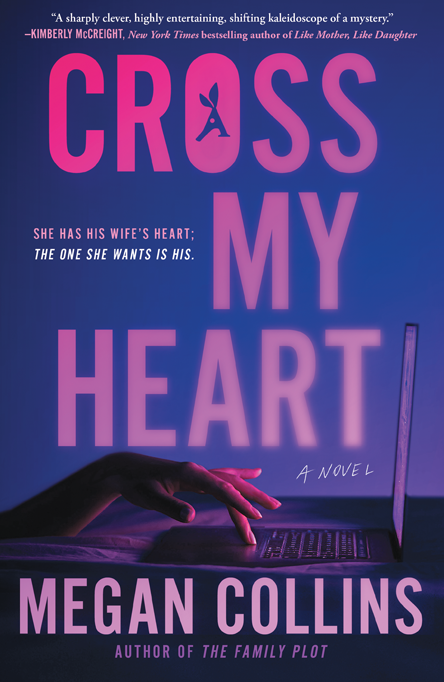
Cross My Heart
A twisty novel about a heart transplant patient who becomes romantically obsessed with her donor’s husband.
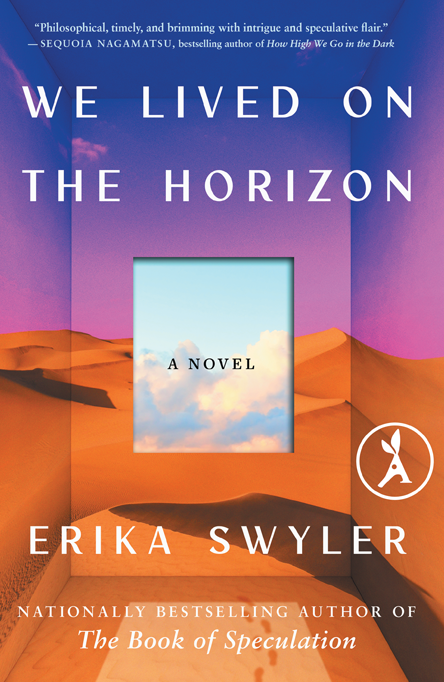
We Lived on the Horizon
The acclaimed author of The Book of Speculation returns with an engrossing new novel about a bio-prosthetic surgeon and her personal AI as they are drawn into a revolution.
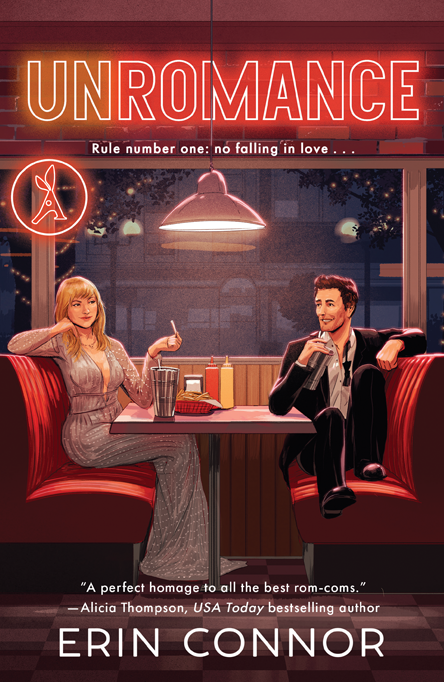
Unromance
A recently dumped TV heartthrob enlists a jaded romance novelist to ruin romance for him—one rom-com trope at a time—so he never gets swept off his feet again…
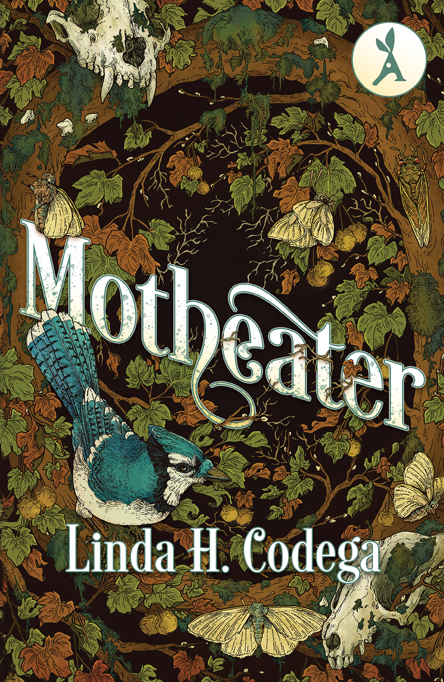
Motheater
In this nuanced queer fantasy set amid the Appalachian Mountains in Virginia, the last witch of the Ridge must choose sides in a clash between industry and nature.
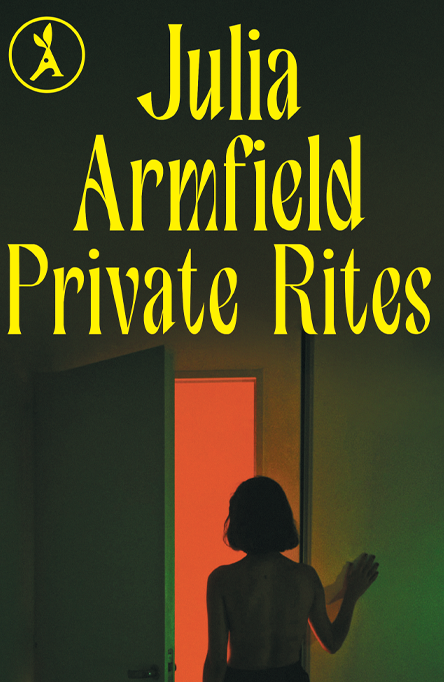
Private Rites
A speculative reimagining of King Lear, centering three sisters navigating queer love and loss in a drowning world.
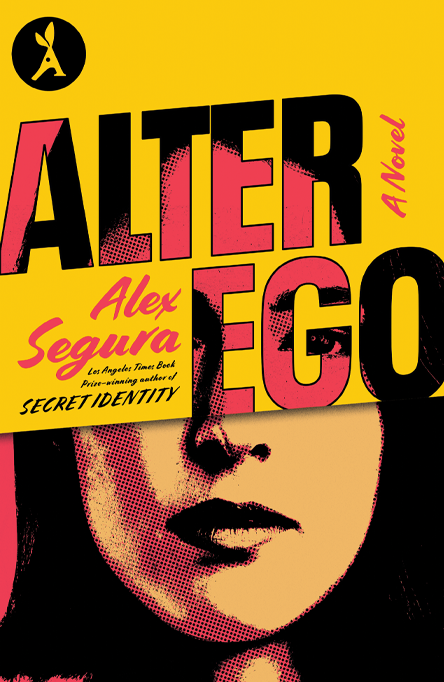
Alter Ego
In the present day, a comics legend is given the chance to revive a beloved but forgotten character. But at what price?
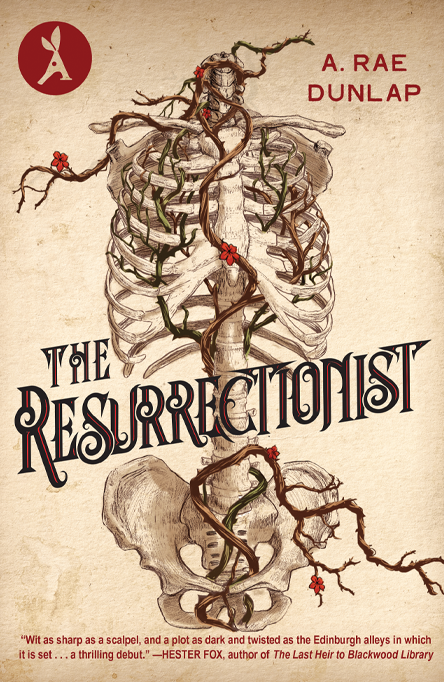
The Resurrectionist
A twisty gothic debut set when real-life serial killers Burke and Hare terrorized the streets of Edinburgh, as a young medical student is lured into the illicit underworld of body snatching.
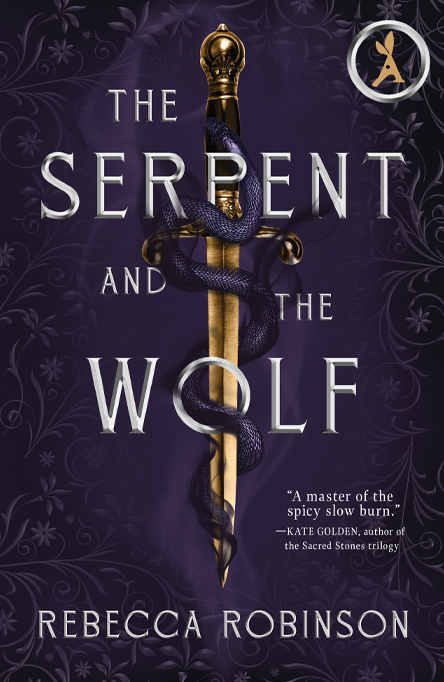
The Serpent and the Wolf
A thrilling romantasy debut combines high-stakes political intrigue and a steamy, slow-burn, enemies-to-lovers romance.
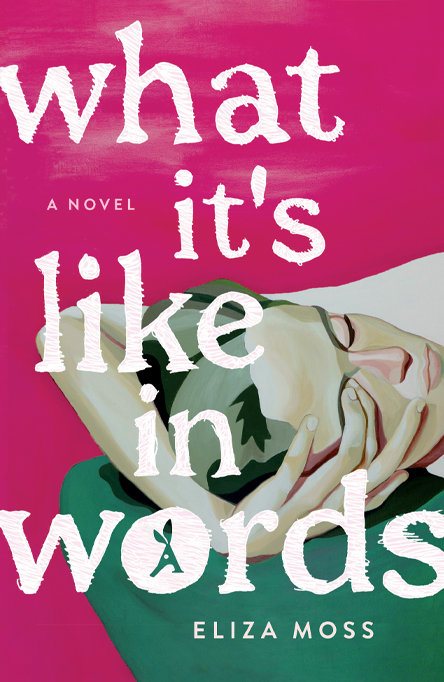
What It’s Like in Words
A dark, intense, and compelling account of what happens when a young woman falls in love with the wrong kind of man.

American Rapture
The instant USA Today bestseller from CJ Leede, author of Maeve Fly—a scorching and sweeping new novel about the end of the world as we know it.
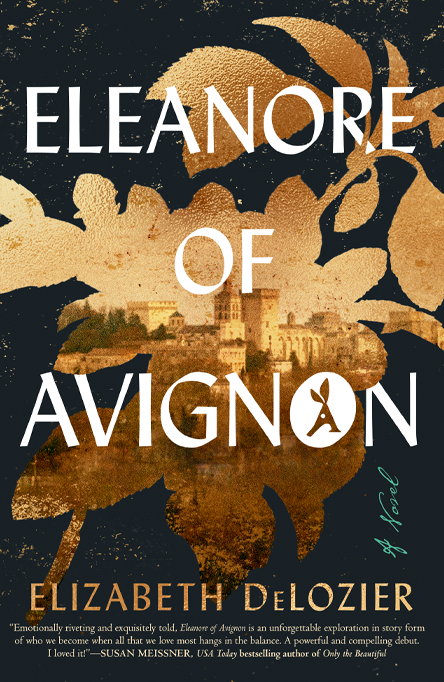
Eleanore of Avignon
The story of a healer who risks her life, her freedom, and everything she holds dear to protect her beloved city from the encroaching Black Death.
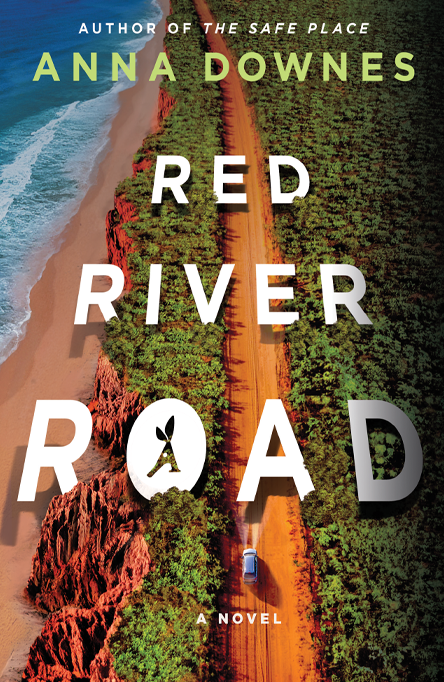
Red River Road
Anna Downes's extraordinary next thriller follows a woman desperate to discover what happened to her sister on a solo road trip through the Australian outback.
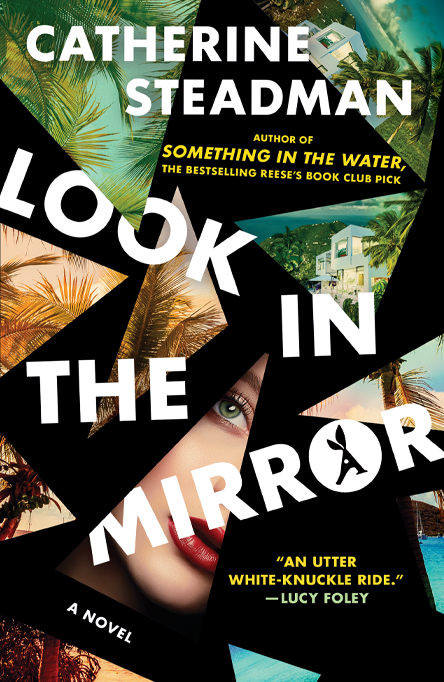
Look In the Mirror
From the New York Times bestselling author of Something in the Water comes “an utter white-knuckle ride that took me into a heart of darkness” (Lucy Foley, author of The Paris Apartment).
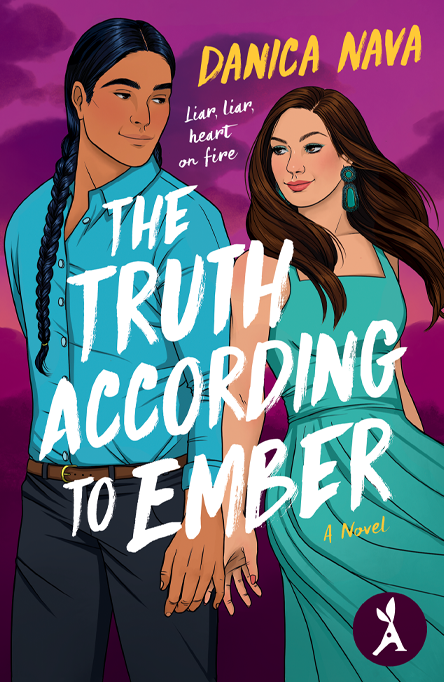
The Truth According to Ember
A Chickasaw woman who can’t catch a break serves up a little white lie that snowballs into much more in this witty and irresistible rom-com by debut author Danica Nava.
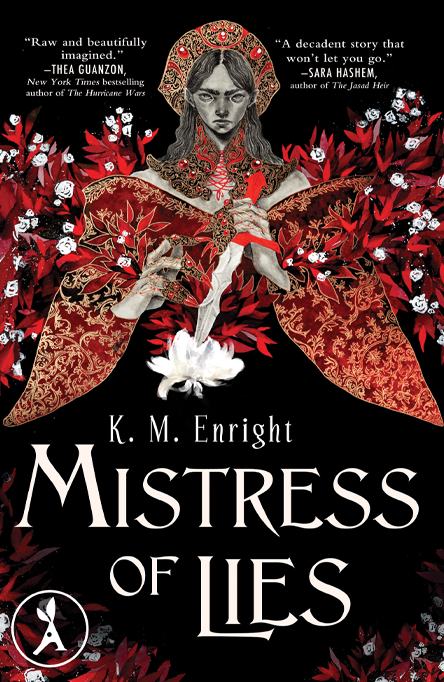
Mistress of Lies
A villainous, bloodthirsty heroine finds herself plunged into the dangerous world of power, politics and murder in the court of the vampire king in this dark romantic fantasy debut.
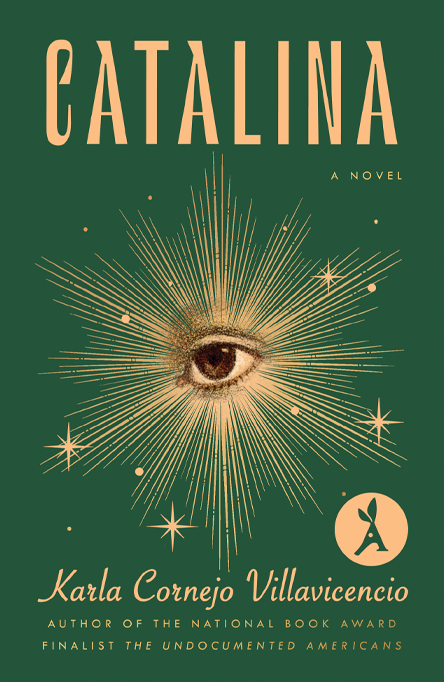
Catalina
A year in the life of the unforgettable Catalina Ituralde, a wickedly wry and heartbreakingly vulnerable student at an elite college.
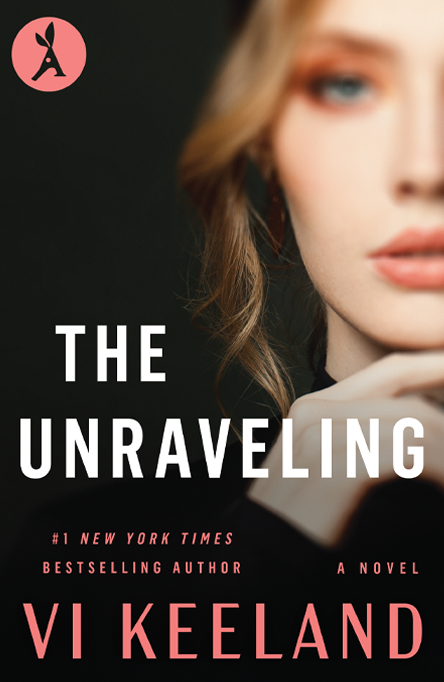
The Unraveling
This chilling, sizzling, and addictive thriller from #1 New York Times bestselling author Vi Keeland follows a New York psychiatrist’s dark descent into dangerous obsession.
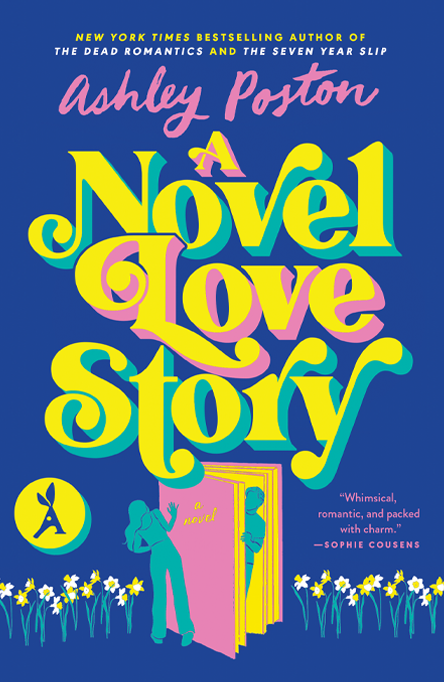
A Novel Love Story
A professor of literature finds herself caught up in a work of fiction…literally, from the New York Times bestselling author of The Seven Year Slip and The Dead Romantics.
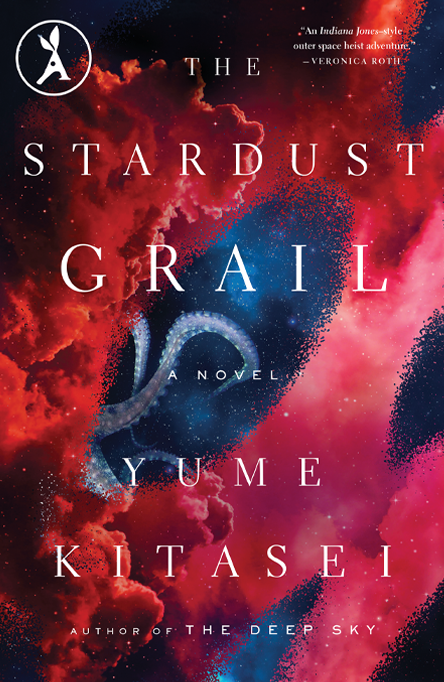
The Stardust Grail
Save one world. Doom her own. From the acclaimed author of The Deep Sky comes a thrilling anti-colonial space heist to save an alien civilization.
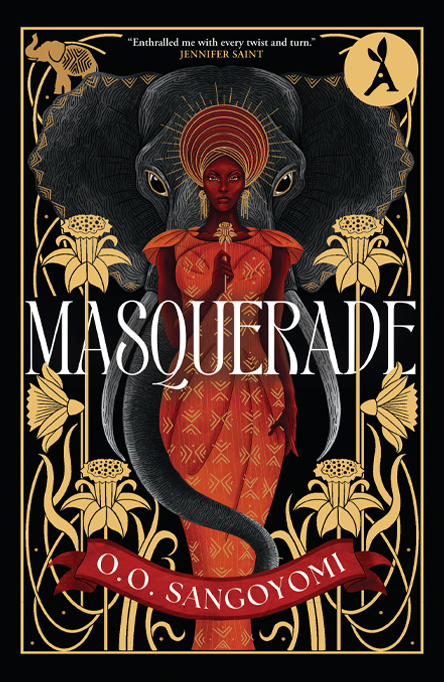
Masquerade
Set in a wonderfully reimagined 15th century West Africa, Masquerade is a dazzling, lyrical tale exploring the true cost of one woman’s fight for freedom and self-discovery, and the lengths she’ll go to secure her future.
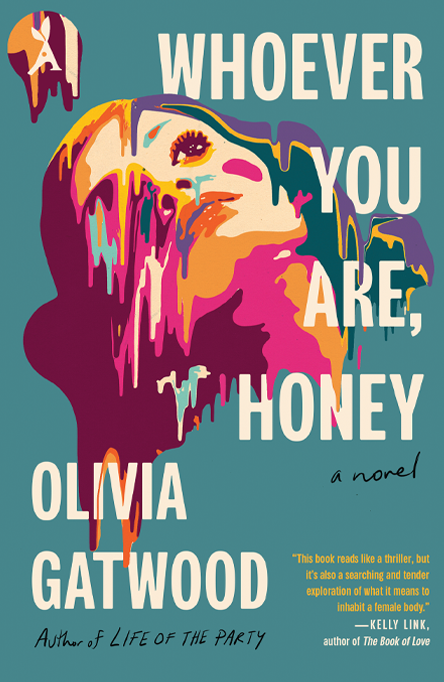
Whoever You Are, Honey
This darkly brilliant debut novel explores how women shape themselves beneath the gaze of love, friendship, and the algorithm—by a thrilling feminist voice for the age of AI.
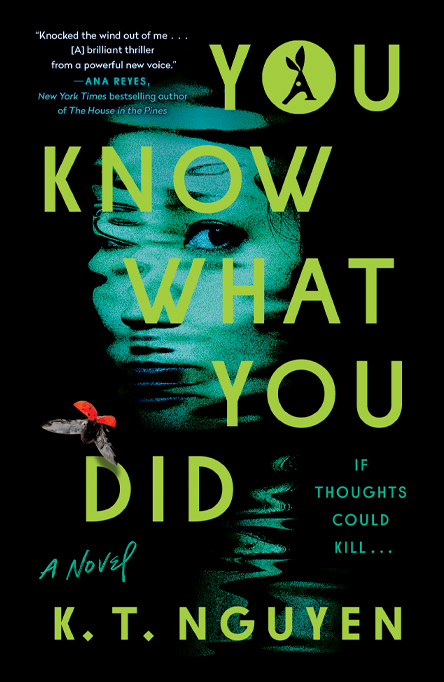
You Know What You Did
In this heart-pounding debut thriller for fans of Lisa Jewell and Celeste Ng, a first-generation Vietnamese American artist must confront nightmares past and present...
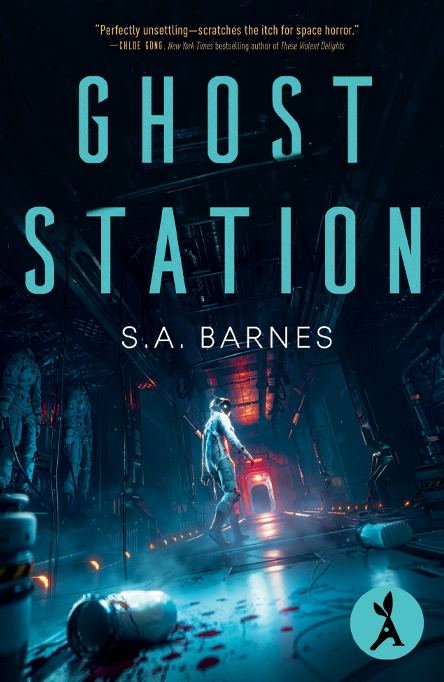
Ghost Station
A crew must try to survive on an ancient, abandoned planet in the latest space horror novel from S.A. Barnes, acclaimed author of Dead Silence.