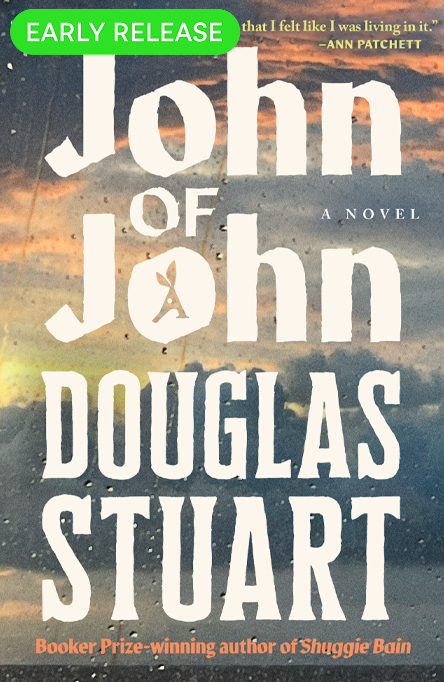
From the Booker-winning author of Shuggie Bain and Young Mungo comes a vivid, moving, and beautifully crafted novel following a young man returning to his Hebridean island home, a portrait of a close-knit community and a fraying family, of a father’s expectations and a son’s desires.
Out of money and with little to show for his art school education, John-Calum Macleod takes the ferry back home to the island of Harris to find that little has changed except for him. In the windswept croft where he grew up, Cal begrudgingly resumes his old life, stuck between the two poles of his childhood: his father John, a sheep farmer, tweed weaver, and pillar of their local Presbyterian church, and his maternal grandmother Ella, a profanity-loving Glaswegian who has kept a faltering peace with her son-in-law for several decades. Cal wonders if any lonely men might be found on the barren hillsides of home, while John is dismayed by his son’s long hair and how he seems unwilling to be Saved. As lambing season turns to shearing season, everything seems poised to change as the threads holding together the fragile community become increasingly knotted.
John of John is a singular novel about duty and patience and the transformative power of the truth. It is a magnificent literary work that shows Douglas Stuart working at an even higher level of artistic creation.
Don't just take our word for it...
Deceptively simple in his storytelling, Douglas Stuart builds a world that aches for truth and hungers for love. John of John is a father-son story, a love story, and ultimately a story about grace — the kind you extend to the people who failed you, to the places that couldn’t hold you, and perhaps most difficultly, to yourself.
– Jason Blitman, Gays Reading Podcast
“To read John of John is to move to the Isle of Harris and take up residence in the family croft. The novel is so immersive, so all-encompassing, that I felt like I was living in it. Douglas Stuart has written something brilliant and rare.”
– Ann Patchett
“Like Marilynne Robinson’s Gilead, Douglas Stuart explores the visible and invisible chains of love forged between a parent and child—as each grapples with his respective faith and complex humanity. Stuart’s characters yearn and yield tenderly as they struggle with fate and free will. The inimitable world of John of John is passionate, liberating, and gorgeous.”
– Min Jin Lee, author of Free Food for Millionaires and Pachinko, finalist for the National Book Award
Taste the very first page
Her feet were as purple as calf liver. That’s what his father had said before he hung up. Cal had been standing in the red phone box at the bottom of the Meadows, watching the rugby players stretch on the lush green grass. Their white shorts clung to their haunches, and in the soft smirr the cloth became sheer and he could see the elasticated lines of their briefs. He was only half-listening as his father read from the New Testament.
His father had never been fond of small talk. This gave their telephone calls the feeling of a service line, like when you dialled the Speaking Clock and then reset your watch to it. When Cal mentioned this to his father, the truth of it made his father laugh, for John Macleod believed the spirit was indeed in need of constant calibration, and Cal made his calibrations every Wednesday at 6 p.m. prompt and twice again on the Sabbath.
He couldn’t afford the long-distance call to the isles so they developed a signalling system where he would call home at the agreed-upon hour, wait for three pips, and then hang up. His father would immediately call back. This required turning up early and pretending to talk to someone so no passer-by could block the telephone.
It had taken some time to find the perfect place to worship, a solitary phone box that wasn’t back-to-back with another. When his father precented the psalm, the expectation was Cal would sing it back to him in Gaelic with the full power of his belief. But when a particularly handsome man would stroll past he would cringe and lower his voice and, without fail, John would ask him why he was wavering. It was mortifying to deal with the glances of passing strangers. For this reason, he spent a good portion of their time together with his eyes closed or with his back turned to the path. He found he did his best singing while his fingers searched the calling cards left by the prostitutes and masseuses.
For all that, he liked the Meadows. The rolling fields helped slow his mind. It was one of the few spaces where the city took a breath, and he found it helped match the rhythm of his thoughts to his father’s unhurried talk. He knew his father was staring out at the sea.
“Ciamar a tha thu an-diugh?” his father asked in Gaelic. And how are you today?
You might also like
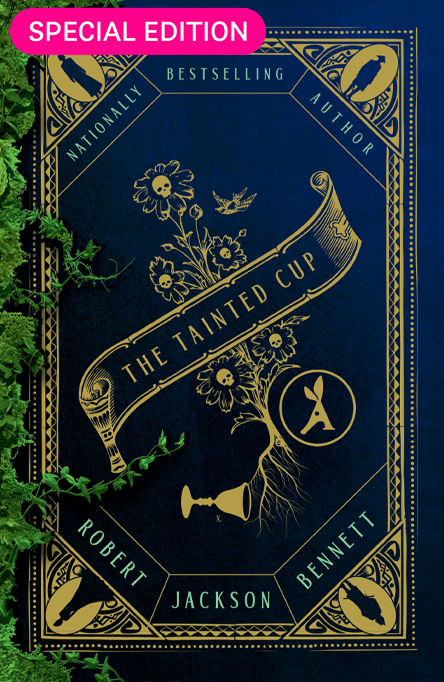
The Tainted Cup
A Holmes and Watson–style detective duo take the stage in this fantasy with a mystery twist, from the Edgar-winning, multiple Hugo-nominated Robert Jackson Bennett.
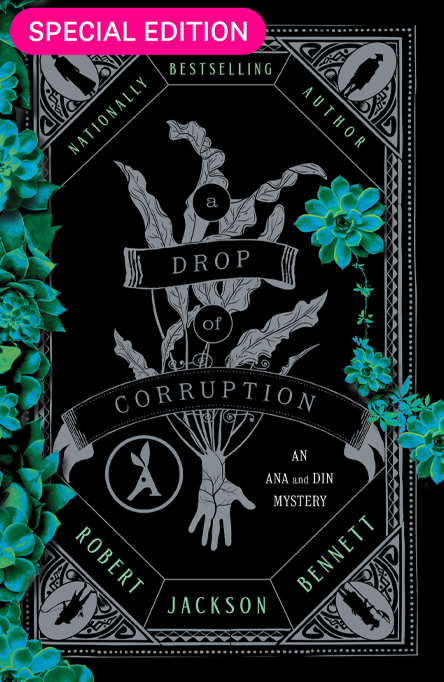
A Drop of Corruption
The eccentric detective Ana Dolabra matches wits with a seemingly omniscient adversary in this brilliant fantasy-mystery from the author of The Tainted Cup.
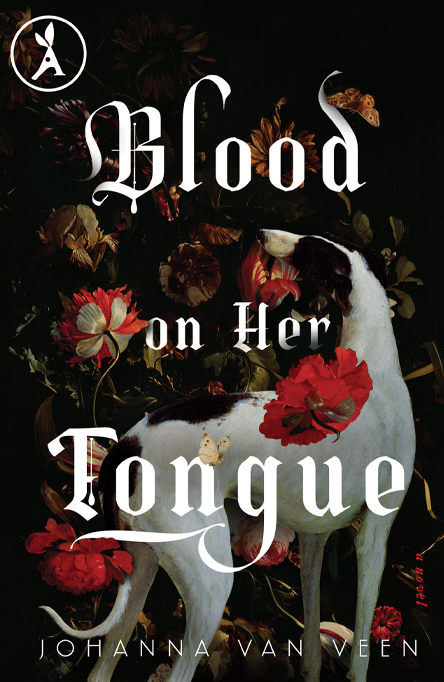
Blood on Her Tongue
Lucy's twin sister Sarah is unwell. She refuses to eat, mumbles nonsensically, and is increasingly obsessed with a centuries-old corpse recently discovered on her husband's grand estate.
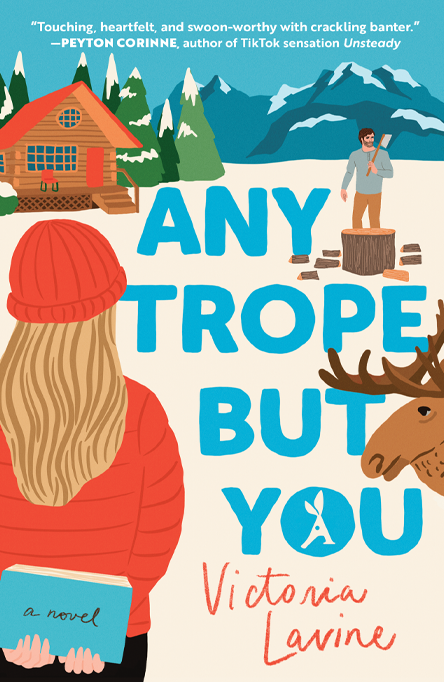
Any Trope But You
A bestselling romance author flees to Alaska to reinvent herself and write her first murder mystery, but the rugged resort proprietor soon has her fearing she’s living in a rom-com plot instead.
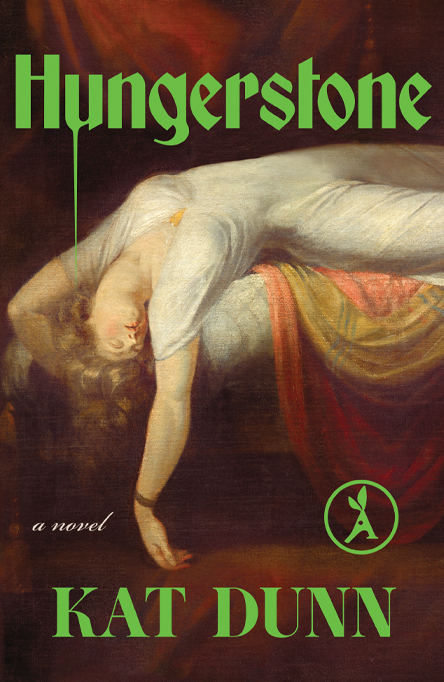
Hungerstone
A compulsive feminist reworking of Carmilla, the queer novella that inspired Dracula.
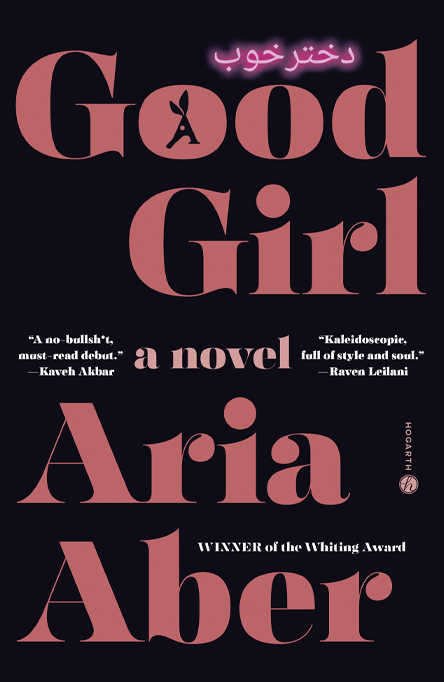
Good Girl
An electric debut novel about the daughter of Afghan refugees and her year of self-discovery and a portrait of the artist as a young woman set in a Berlin that can’t escape its history.
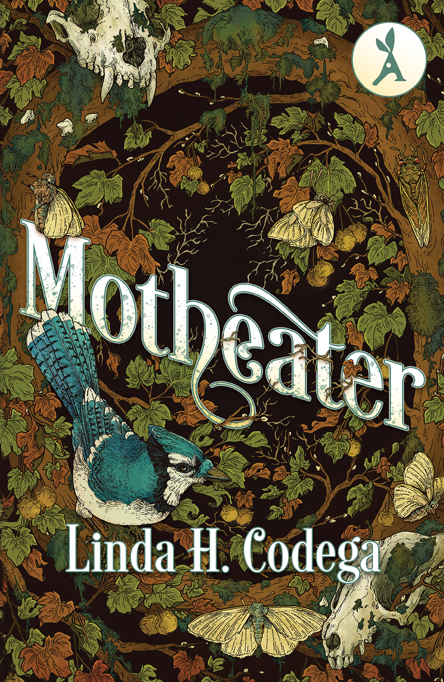
Motheater
In this nuanced queer fantasy set amid the Appalachian Mountains in Virginia, the last witch of the Ridge must choose sides in a clash between industry and nature.
Private Rites
A speculative reimagining of King Lear, centering three sisters navigating queer love and loss in a drowning world.
The Resurrectionist
A twisty gothic debut set when real-life serial killers Burke and Hare terrorized the streets of Edinburgh, as a young medical student is lured into the illicit underworld of body snatching.
What It’s Like in Words
A dark, intense, and compelling account of what happens when a young woman falls in love with the wrong kind of man.

American Rapture
The instant USA Today bestseller from CJ Leede, author of Maeve Fly—a scorching and sweeping new novel about the end of the world as we know it.
Eleanore of Avignon
The story of a healer who risks her life, her freedom, and everything she holds dear to protect her beloved city from the encroaching Black Death.

Colored Television
A brilliant dark comedy about love and ambition, failure and reinvention, and the racial-identity-industrial complex.
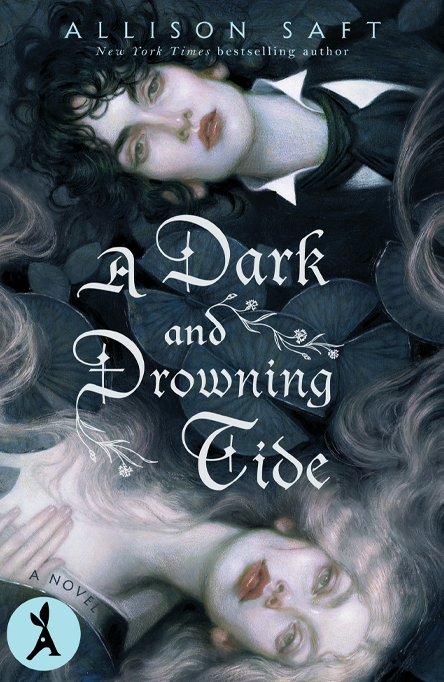
A Dark and Drowning Tide
A sharp-tongued folklorist must pair up with her academic rival to solve their mentor’s murder in this lush and enthralling sapphic fantasy romance.
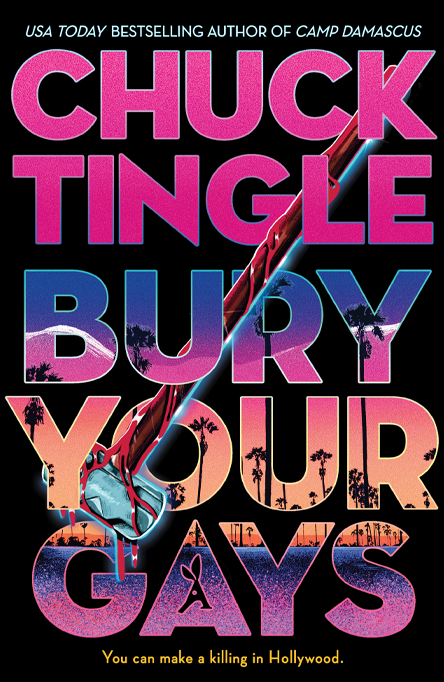
Bury Your Gays
Bury Your Gays is a heart-pounding new novel from bestselling author Chuck Tingle about what it takes to succeed in a world that wants you dead.
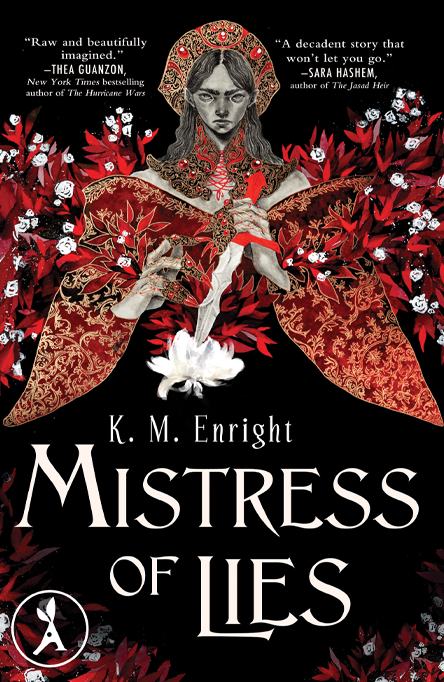
Mistress of Lies
A villainous, bloodthirsty heroine finds herself plunged into the dangerous world of power, politics and murder in the court of the vampire king in this dark romantic fantasy debut.
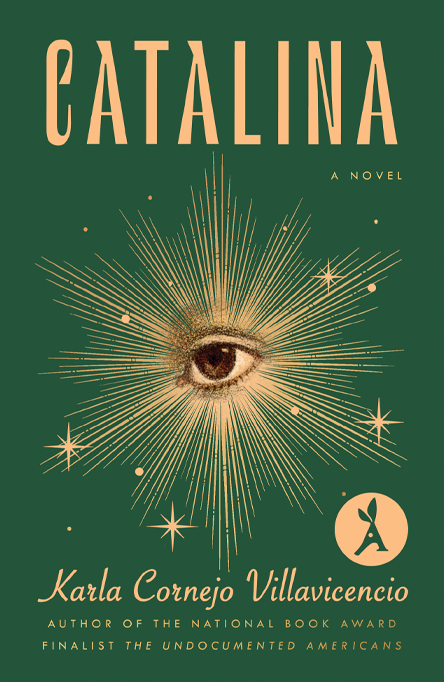
Catalina
A year in the life of the unforgettable Catalina Ituralde, a wickedly wry and heartbreakingly vulnerable student at an elite college.
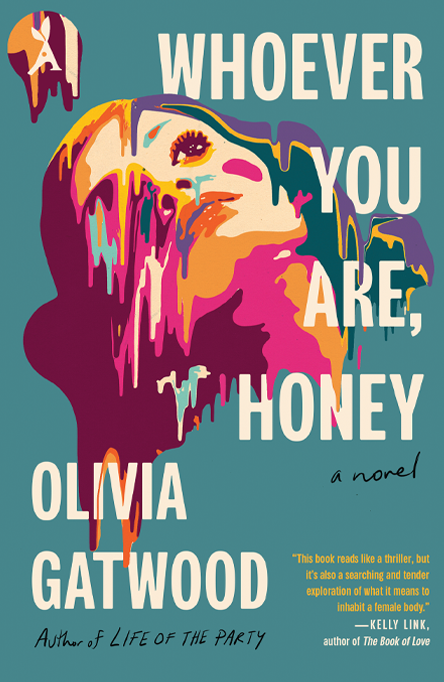
Whoever You Are, Honey
This darkly brilliant debut novel explores how women shape themselves beneath the gaze of love, friendship, and the algorithm—by a thrilling feminist voice for the age of AI.
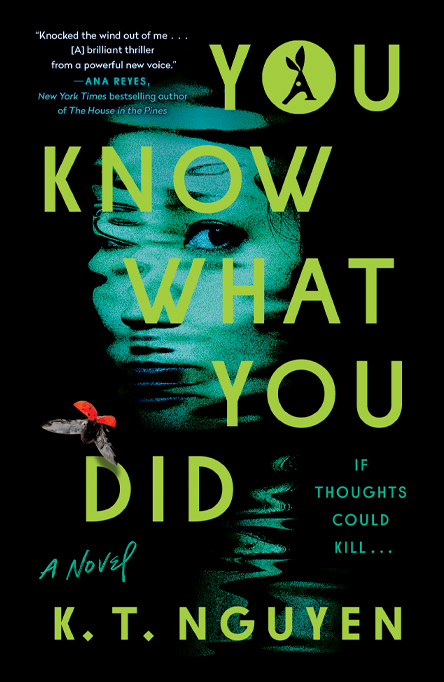
You Know What You Did
In this heart-pounding debut thriller for fans of Lisa Jewell and Celeste Ng, a first-generation Vietnamese American artist must confront nightmares past and present...
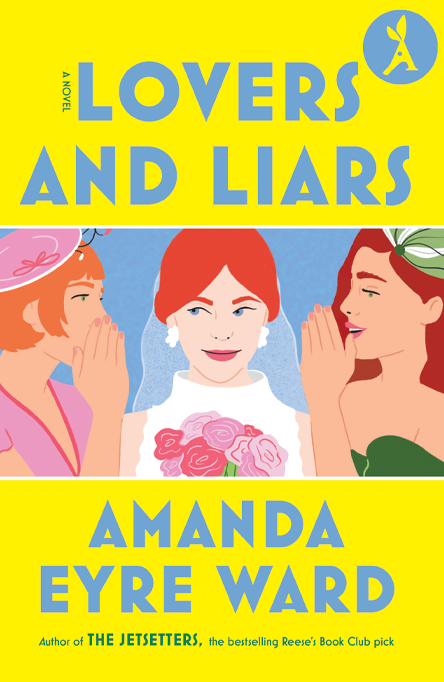
Lovers and Liars
Three wildly different sisters reunite for a destination wedding at an English castle in this heartfelt and rollicking novel from the New York Times bestselling author of The Jetsetters.
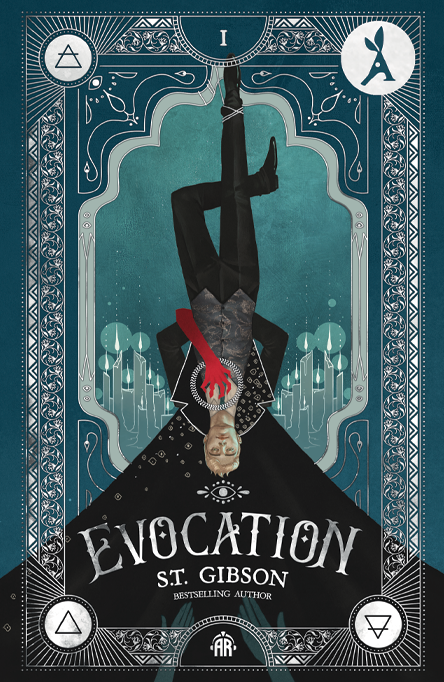
Evocation
From The Sunday Times bestselling author of B&N's best books of 2022 A Dowry of Blood, comes a spellbinding and vibrant new series. The Devil knows your name, David Aristarkhov.
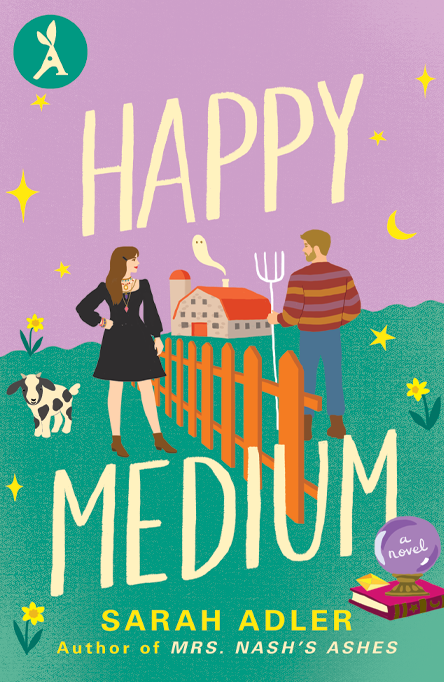
Happy Medium
A clever con woman must convince a skeptical, sexy farmer of his property's resident real-life ghost if she's to save them all from a fate worse than death, in this delightful new novel from the author of Mrs. Nash's Ashes.