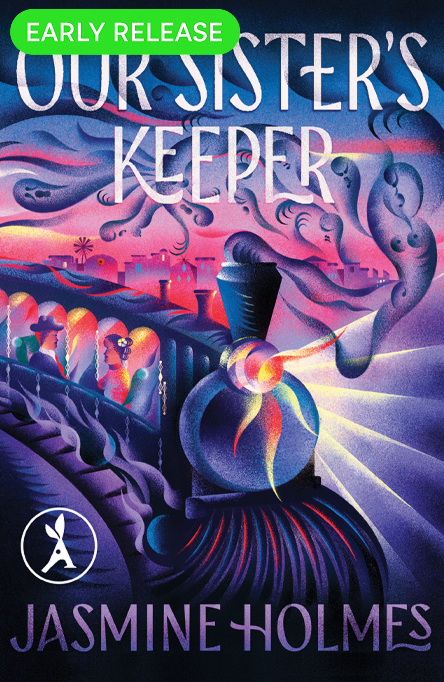
Mississippi, 1927. The groanings are coming.
Slavery.
No town is perfect, but East Cobb comes close. It’s a wealthy all-Black Free Town—untouched by white oppression—where ambitious Thea Elliot and her husband plan to make good on their big dreams. Little do they know that the idyllic town teems with ghoulish, walking nightmares . . . that only the women can see.
Marah knows the groanings well. She is one of the carriers—women with the ability to pull traumatic memories from men. Populated by men entirely freed of their pain, East Cobb has flourished, even as the remnants of their memories haunt the town’s women. When an unexpected death drives Marah to discover more about her own power, Thea’s and Marah’s worlds collide. The sisters must confront the rotten core at the heart of East Cobb’s prosperity and choose what—and who—will survive the reckoning.
A gripping blend of historical fiction and Southern gothic psychological horror, Our Sister’s Keeper is a fierce exploration of Black sisterhood, rage, and resistance.
Don't just take our word for it...
“Jasmine Holmes’s foray into fiction feels like a homecoming. With warmth and a wealth of insight, Holmes skillfully crafts in East Cobb a setting and story that does what only art can; it illumines the past and the present, creating for the reader a clarity that lasts beyond the page. Our Sister’s Keeper is breathtaking, too lovely for a nightmare and too tragic for a dream.”
– Bethany. C Morrow, bestselling author of A Song Below Water and So Many Beginnings
“Our Sister’s Keeper combines historical details with incredibly imaginative fiction, making for an unforgettable story centered on women who bear the burdens of others. But what happens when they tire of suffering traumas that aren’t theirs, when it becomes clear that strength can be both a blessing and a curse? Set in the post–Reconstruction era South, Jasmine Holmes’s debut novel is a fascinating tale of past and present colliding in the twistiest of ways. This is a story of sisterhood in the face of obstacles closing in from every corner, and a testament to the strength and power of women united.”
– Del Sandeen, author of This Cursed House
Taste the very first page
Lucas Fulton was Marah’s least favorite client.
There was no kindness in his eyes as he sat opposite Marah, and Marah knew there would be no gratitude for her after the session. He was a perpetually sweat-slicked, mean little man, with coppery body odor and too-warm hands. His breath was always hot on Marah’s neck when he greeted her with a kiss to each cheek, like they were in France or something, as opposed to East Cobb, Mississippi. Whenever Marah forced herself to smile at him, he echoed it with a lackluster shrug of his left shoulder that made her wonder why he always requested her.
The two of them were sitting close enough for their knees to touch, eyes locked, while Clotilde poured the tea. The older woman was elegant—tall and lithe. Her thin frame, thin hair, and thinning skin ought to have led to a wispy quality, but something in her ramrod-straight back; her relentlessly high, starched collars; and her sweeping, formal gait spoke strength, even with her aging frame. Her white hair was pulled back into a chignon, any further adornment limited to the gold earrings studding her lobes. And though her skin was still taut in most places, the traitorous wrinkles on her neck revealed her advanced age.
Clotilde dressed simply, just like her girls, in muted colors and classic silhouettes. But where Marah often felt strange in her starched black dresses and restricting brogues, Clotilde was at home in the stiff wardrobe, a raven with perpetually rigid, out-stretched wings.
Marah waited until she was given the signal from Clotilde to officially begin the session. Lucas shuffled uncomfortably in the matching ornate wingback chair to Marah’s, which sat in the middle of Clotilde’s parlor, a parlor that hadn’t been redecorated since her Victorian childhood. Clotilde settled on a tufted loveseat to Marah’s left.
Every piece of furniture—the velvet green chairs, the maroon loveseat, the low marble-topped table where Clotilde set their tea—had claw-and-ball feet. Even the damask pattern on the pristine wallpaper and the swirling print on the richly colored Persian rug both looked a bit like claws. Marah’s own hands mimicked the motion echoed in the furniture and the wallpaper, each gripping one mahogany arm of her seat so tightly that her knuckles turned white. Everything in the room was clawed, desperate, grasping.
Finally, Clotilde turned toward the pair, smiled, and in a saccharine voice so different from the one she used with her girls, said, “Let’s begin.”
You might also like
Bat Eater and Other Names for Cora Zeng
A woman is haunted by inner trauma, hungry ghosts, and a serial killer as she confronts the brutal violence experienced by East Asians during the pandemic.
Blood on Her Tongue
Lucy's twin sister Sarah is unwell. She refuses to eat, mumbles nonsensically, and is increasingly obsessed with a centuries-old corpse recently discovered on her husband's grand estate.
Any Trope But You
A bestselling romance author flees to Alaska to reinvent herself and write her first murder mystery, but the rugged resort proprietor soon has her fearing she’s living in a rom-com plot instead.
Tilt
Annie is nine months pregnant. She’s shopping for a crib at IKEA. That’s when the massive earthquake hits. There’s nothing to do but walk.
Hungerstone
A compulsive feminist reworking of Carmilla, the queer novella that inspired Dracula.
Junie
A young girl must face a life-altering decision after awakening her sister’s ghost, navigating truths about love, friendship, and power as the Civil War looms.
Good Girl
An electric debut novel about the daughter of Afghan refugees and her year of self-discovery and a portrait of the artist as a young woman set in a Berlin that can’t escape its history.
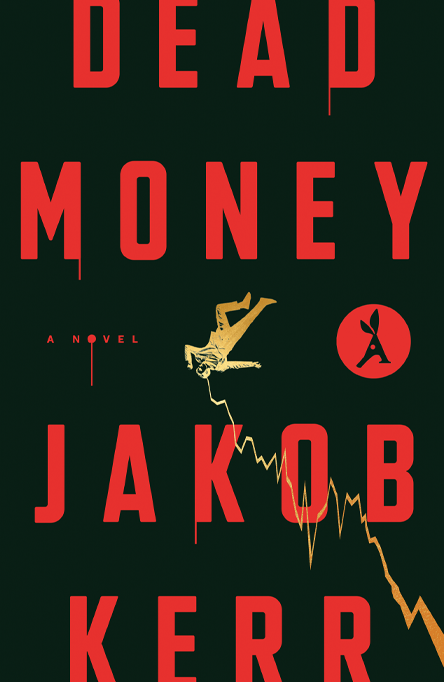
Dead Money
Featuring jaw-dropping twists and a wily, outsider heroine you can’t help rooting for, Dead Money is a brilliant sleight-of-hand mystery.
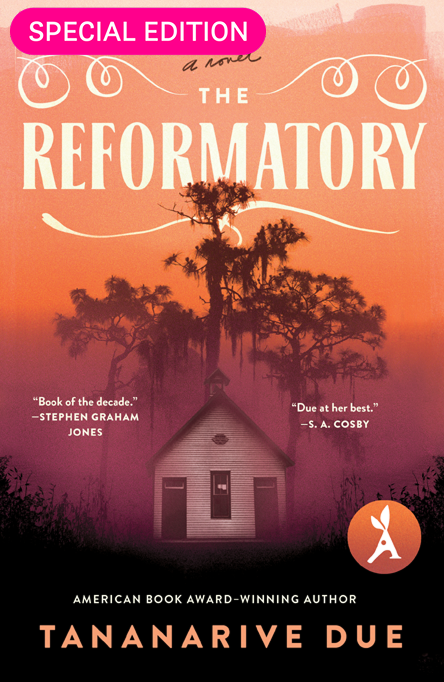
The Reformatory (2024 Members’ Choice)
A gripping, page-turning novel set in Jim Crow Florida that follows Robert Stephens Jr. as he’s sent to a segregated reform school that is a chamber of terrors where he sees the horrors of racism and injustice, for the living, and the dead.
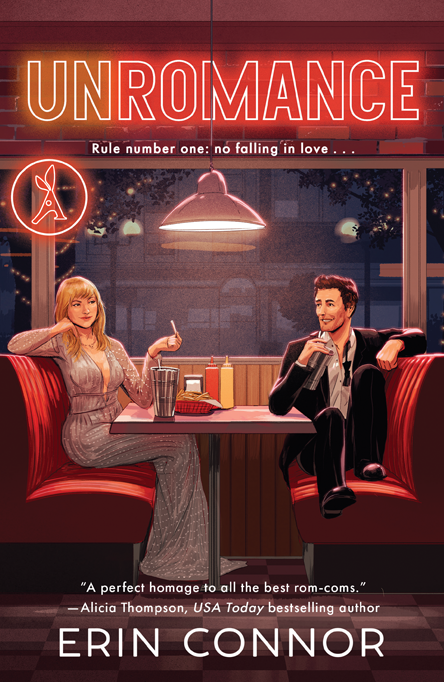
Unromance
A recently dumped TV heartthrob enlists a jaded romance novelist to ruin romance for him—one rom-com trope at a time—so he never gets swept off his feet again…
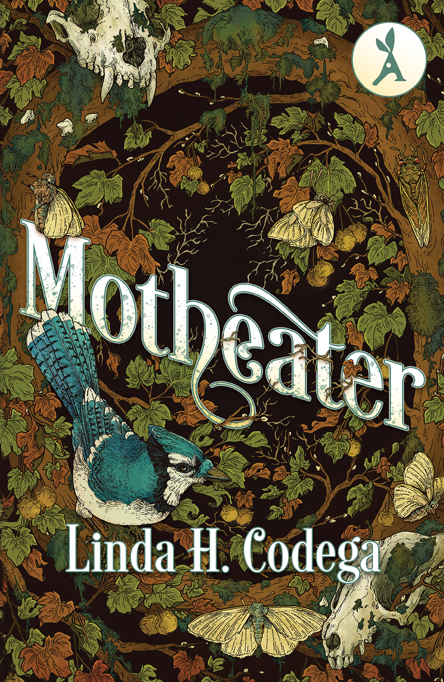
Motheater
In this nuanced queer fantasy set amid the Appalachian Mountains in Virginia, the last witch of the Ridge must choose sides in a clash between industry and nature.
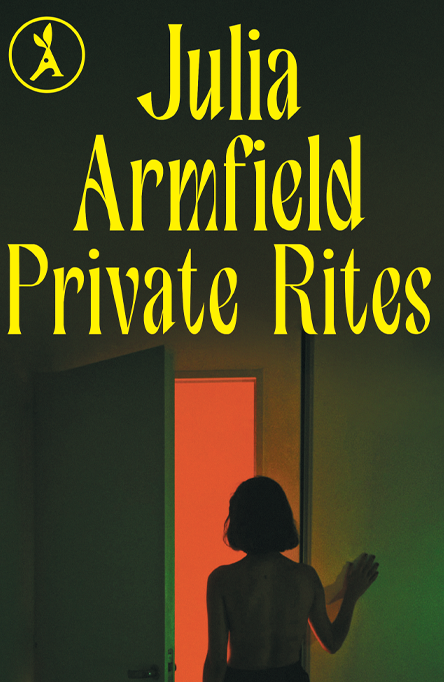
Private Rites
A speculative reimagining of King Lear, centering three sisters navigating queer love and loss in a drowning world.
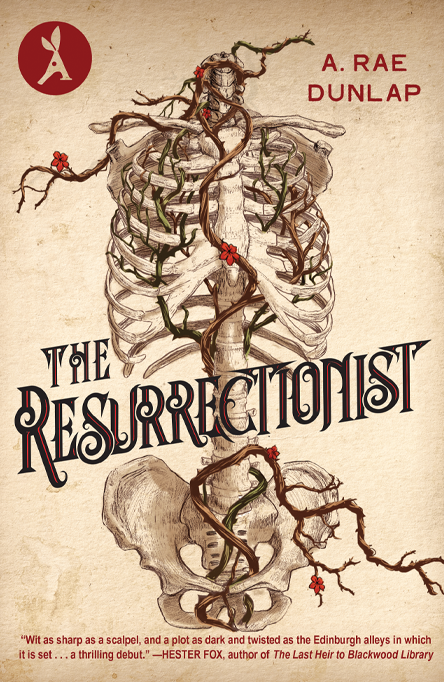
The Resurrectionist
A twisty gothic debut set when real-life serial killers Burke and Hare terrorized the streets of Edinburgh, as a young medical student is lured into the illicit underworld of body snatching.
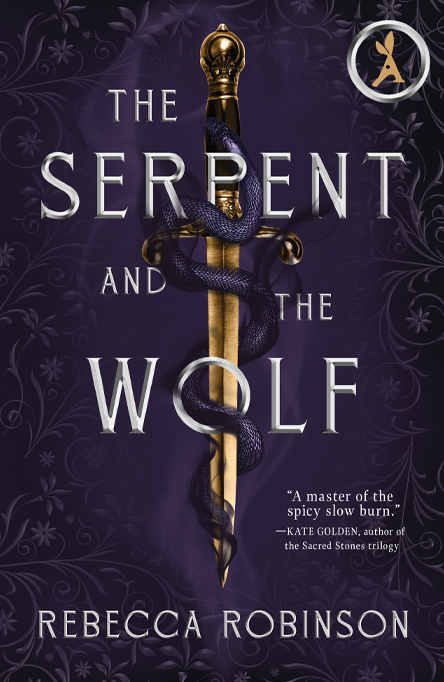
The Serpent and the Wolf
A thrilling romantasy debut combines high-stakes political intrigue and a steamy, slow-burn, enemies-to-lovers romance.
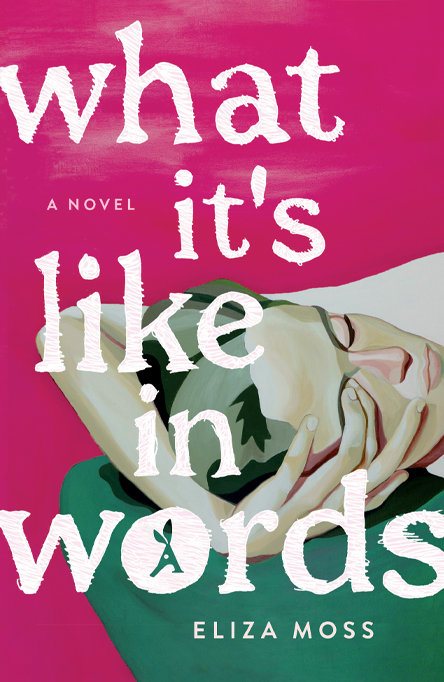
What It’s Like in Words
A dark, intense, and compelling account of what happens when a young woman falls in love with the wrong kind of man.

American Rapture
The instant USA Today bestseller from CJ Leede, author of Maeve Fly—a scorching and sweeping new novel about the end of the world as we know it.
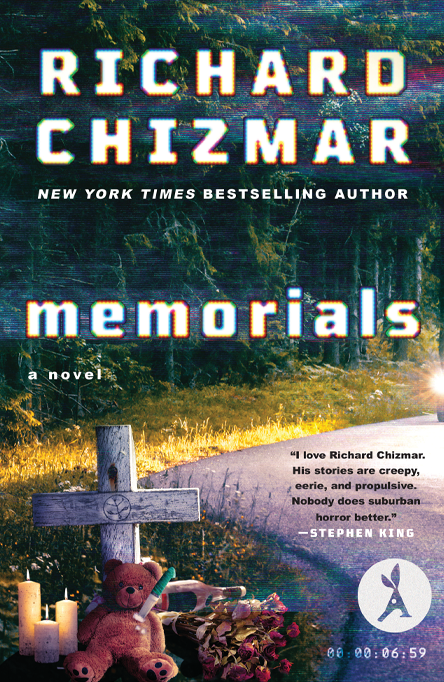
Memorials
A group of students encounter a supernatural terror while on a road trip through Appalachia in this chilling new novel.
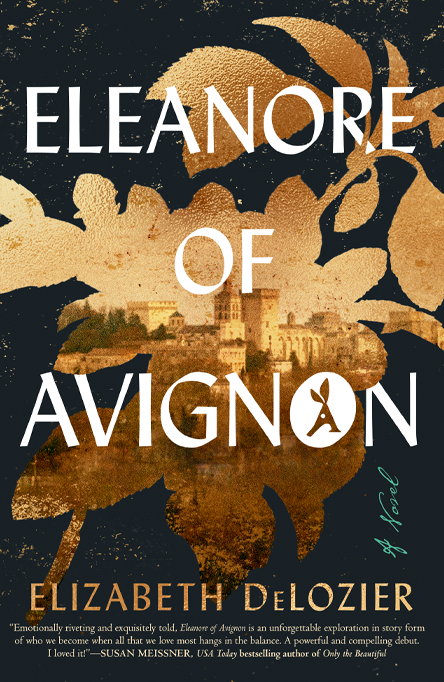
Eleanore of Avignon
The story of a healer who risks her life, her freedom, and everything she holds dear to protect her beloved city from the encroaching Black Death.
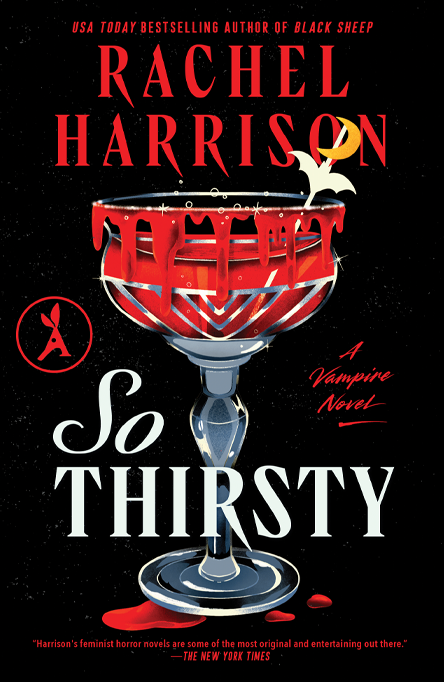
So Thirsty
A woman must learn to take life by the throat after a night out leads to irrevocable changes in this juicy, thrilling novel.
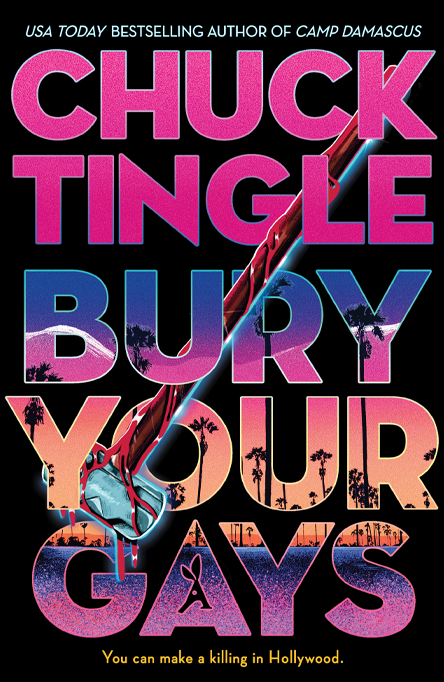
Bury Your Gays
Bury Your Gays is a heart-pounding new novel from bestselling author Chuck Tingle about what it takes to succeed in a world that wants you dead.
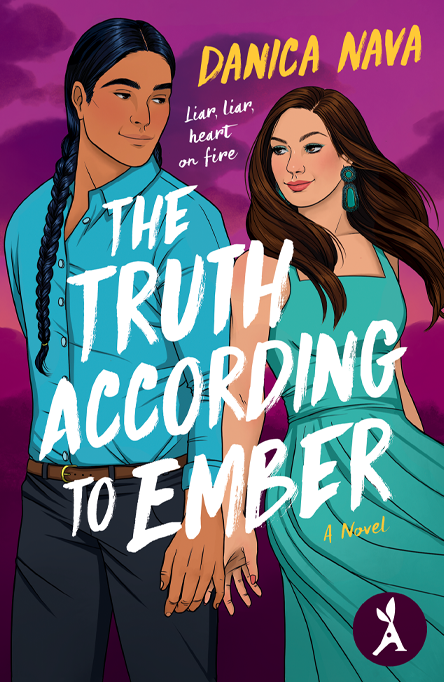
The Truth According to Ember
A Chickasaw woman who can’t catch a break serves up a little white lie that snowballs into much more in this witty and irresistible rom-com by debut author Danica Nava.
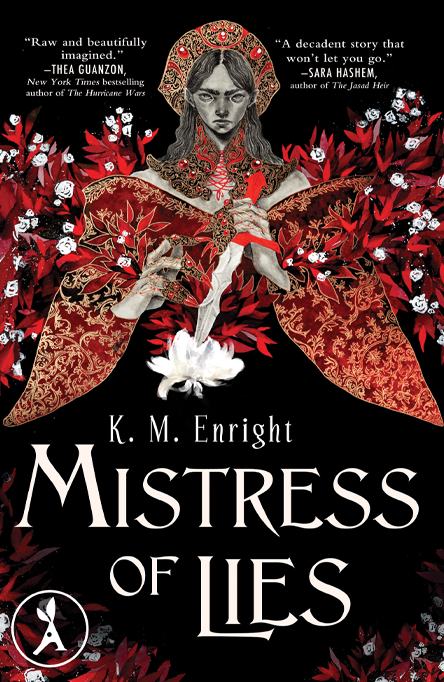
Mistress of Lies
A villainous, bloodthirsty heroine finds herself plunged into the dangerous world of power, politics and murder in the court of the vampire king in this dark romantic fantasy debut.
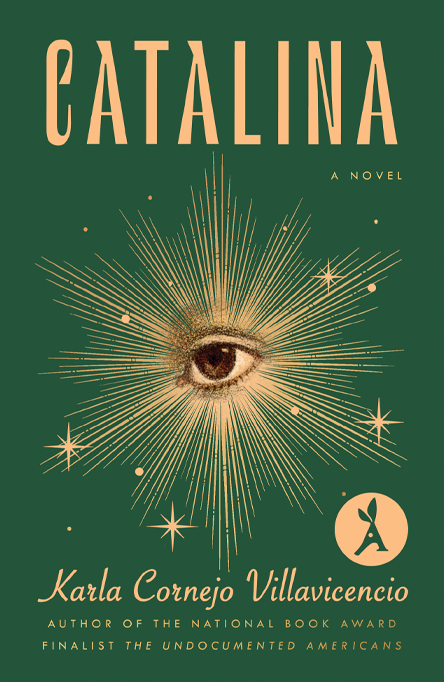
Catalina
A year in the life of the unforgettable Catalina Ituralde, a wickedly wry and heartbreakingly vulnerable student at an elite college.
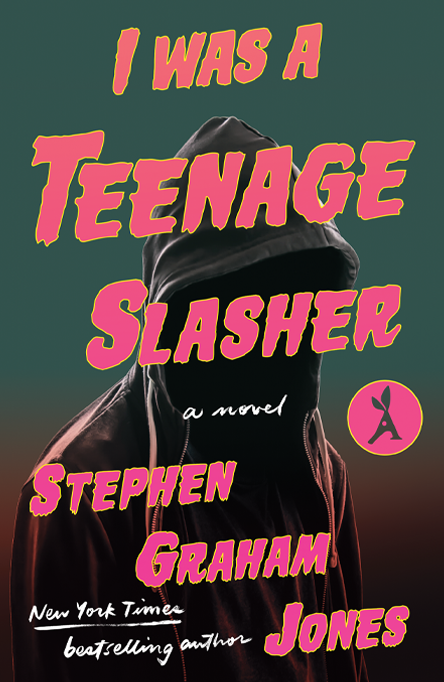
I Was a Teenage Slasher
From New York Times bestselling horror writer Stephen Graham Jones comes a classic slasher story with a twist—perfect for fans of Riley Sager and Grady Hendrix.
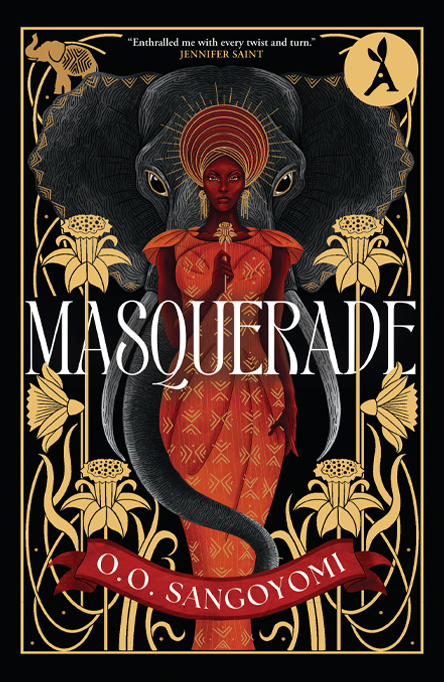
Masquerade
Set in a wonderfully reimagined 15th century West Africa, Masquerade is a dazzling, lyrical tale exploring the true cost of one woman’s fight for freedom and self-discovery, and the lengths she’ll go to secure her future.
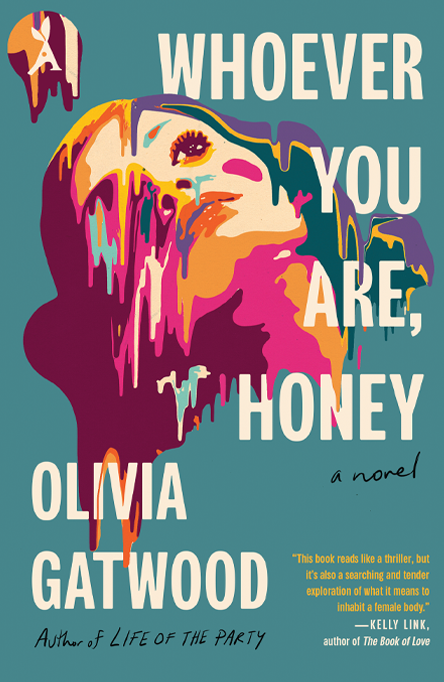
Whoever You Are, Honey
This darkly brilliant debut novel explores how women shape themselves beneath the gaze of love, friendship, and the algorithm—by a thrilling feminist voice for the age of AI.
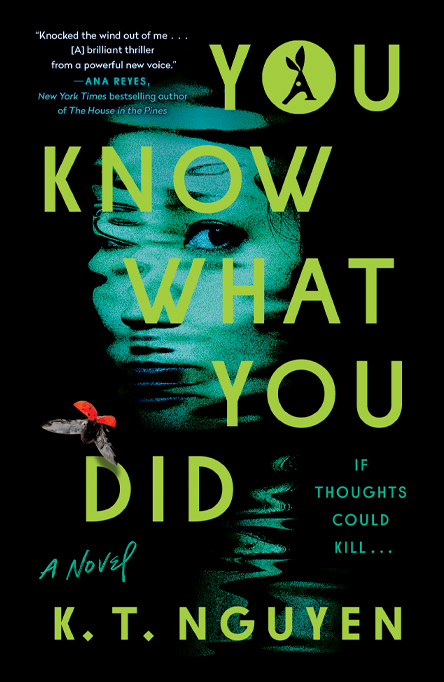
You Know What You Did
In this heart-pounding debut thriller for fans of Lisa Jewell and Celeste Ng, a first-generation Vietnamese American artist must confront nightmares past and present...
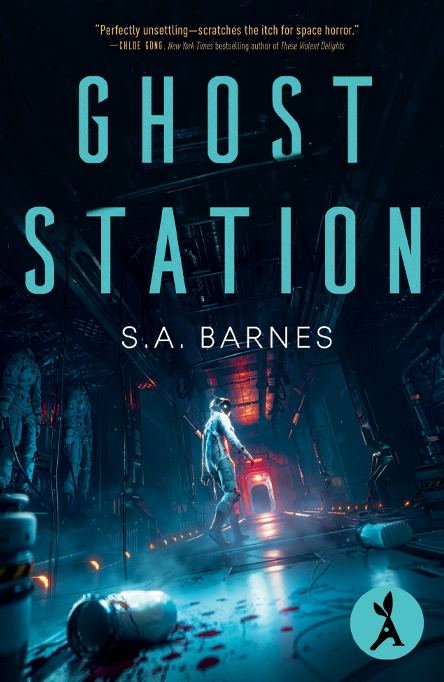
Ghost Station
A crew must try to survive on an ancient, abandoned planet in the latest space horror novel from S.A. Barnes, acclaimed author of Dead Silence.