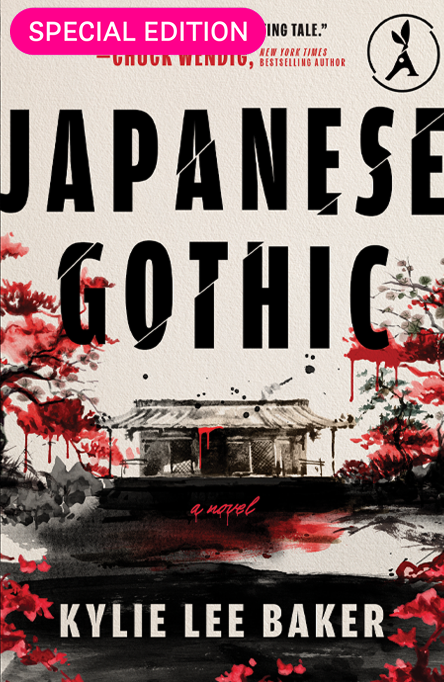
In this lyrical, wildly inventive horror novel interwoven with Japanese mythology, two people living centuries apart discover a door between their worlds.
Child abuse, animal death, child death.
October, 2026: Lee Turner doesn’t remember how or why he killed his college roommate. The details are blurred and bloody. All he knows is he has to flee New York and go to the one place that might offer refuge—his father’s new home in Japan, a house hidden by sword ferns and wild ginger. But something is terribly wrong with the house: no animals will come near it, the bedroom window isn’t always a window, and a woman with a sword appears in the yard when night falls.
October, 1877: Sen is a young samurai in exile, hiding from the imperial soldiers in a house behind the sword ferns. A monster came home from war wearing her father’s face, but Sen would do anything to please him, even turn her sword on her own mother. She knows the soldiers will soon slaughter her whole family when she sees a terrible omen: a young foreign man who appears outside her window.
One of these people is a ghost, and one of these stories is a lie.
Don't just take our word for it...
“A spectacular, thought-provoking, and chilling story about how the past ties itself to the present in ways humans cannot comprehend or explain…. Readers will savor every minute.”
– Library Journal, starred review 🌟
“A breathless collision of timelines, cultures, and destinies in this impressive horror outing…. In wrenching prose, Baker renders her characters both deeply flawed and profoundly human…. It’s as gruesome as it is un-put-downable.”
– Publishers Weekly, starred review 🌟
“Japanese Gothic is many things: a haunting. A mystery. A ghost story. A fairy tale. A love story. Above all, it’s a compelling and heartbreaking piece of art about how parental expectations can damage us, and how love can, if not quite heal us, at least set us free.”
– Johanna van Veen, author of Blood on Her Tongue
Taste the very first page
Present day
Chiran, Kagoshima Prefecture, Japan
Lee
In the house behind the sword ferns, there was a man, and a murderer, and a stain.
The house was nearly two centuries old, its walls accustomed to drinking up soot from charcoal burned through the long winters. Its tatami mats had darkened from the sting of sunlight, hiding the footprints of the last family who lived there. The cypress walls with tobacco varnish should have swallowed even the darkest stain whole, kept it safe and secret.
But there it was, all the same— a dark, narrow line, as if red wine had splashed and then dripped down, or perhaps a thin finger had smeared it like a tally mark.
Lee Turner pressed his thumb to the stain, scraped a bit of it onto his nail, then brought it to his lips and licked. He could taste the wood varnish more than anything else, but yes, that was definitely blood, in a place it shouldn’t have existed.
Bloodstains in kitchens belonged on counters and floors and sinks— places where cooking knives sliced down on fingers instead of carrots, or ungloved hands reached into a soapy sink full of sharp objects. But this stain was just above Lee’s eye level— too high for anyone to wield a cooking knife. Even worse, it marked the thin strip of wood between the oven and the open door into the corridor, far from where anyone would have prepared food.
Normally, for Lee, all the jagged puzzle pieces of the world lay tight and flat against each other. But sometimes, Lee found anomalies— like this stain— where dark chasms opened up between what he saw and what he knew to be true. The truth was that this house hadn’t been occupied for a century, and his father had only moved in yesterday, so there shouldn’t have been any stains that Lee could still taste. And the other truth was that whatever had happened here was no accident.
Lee scraped the rest of the blood away with his thumb and watched it flake onto the tiles.
There had been so much blood in the stairwell back at school, but Lee had done a much better job at cleaning that up. His dorm had a communal cleaning closet with bleach and rags and giant trash bags. Lee had cleaned the landing and the railing and even the floor on the lowest level because he knew how far the blood had dripped. Then, once James’s body was gone, Lee had mopped the stairs just to be sure he hadn’t missed a spot. Lee Turner never would have left a stain like this behind.
Perhaps it was morbid, but Lee found it easier to picture James as a rotting corpse than as his roommate.
You might also like
Bat Eater and Other Names for Cora Zeng
A woman is haunted by inner trauma, hungry ghosts, and a serial killer as she confronts the brutal violence experienced by East Asians during the pandemic.

Blood on Her Tongue
Lucy's twin sister Sarah is unwell. She refuses to eat, mumbles nonsensically, and is increasingly obsessed with a centuries-old corpse recently discovered on her husband's grand estate.
Hungerstone
A compulsive feminist reworking of Carmilla, the queer novella that inspired Dracula.
Junie
A young girl must face a life-altering decision after awakening her sister’s ghost, navigating truths about love, friendship, and power as the Civil War looms.
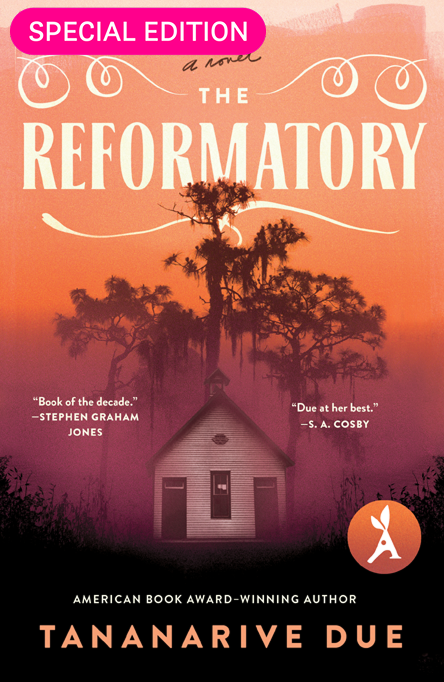
The Reformatory (2024 Members’ Choice)
A gripping, page-turning novel set in Jim Crow Florida that follows Robert Stephens Jr. as he’s sent to a segregated reform school that is a chamber of terrors where he sees the horrors of racism and injustice, for the living, and the dead.
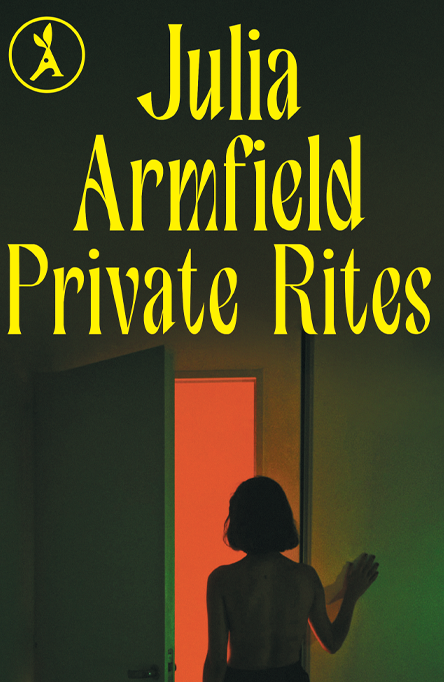
Private Rites
A speculative reimagining of King Lear, centering three sisters navigating queer love and loss in a drowning world.
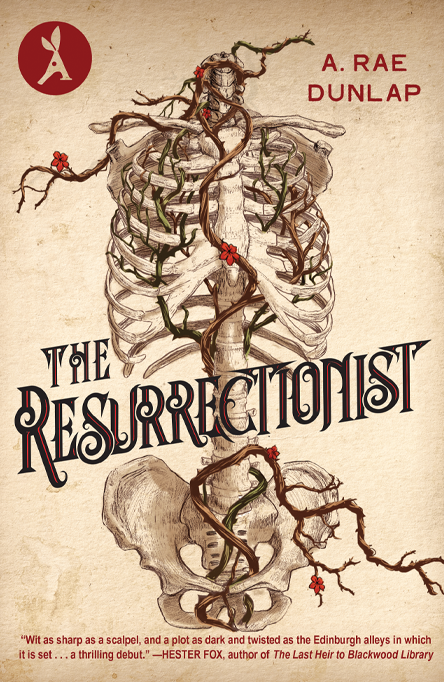
The Resurrectionist
A twisty gothic debut set when real-life serial killers Burke and Hare terrorized the streets of Edinburgh, as a young medical student is lured into the illicit underworld of body snatching.

American Rapture
The instant USA Today bestseller from CJ Leede, author of Maeve Fly—a scorching and sweeping new novel about the end of the world as we know it.
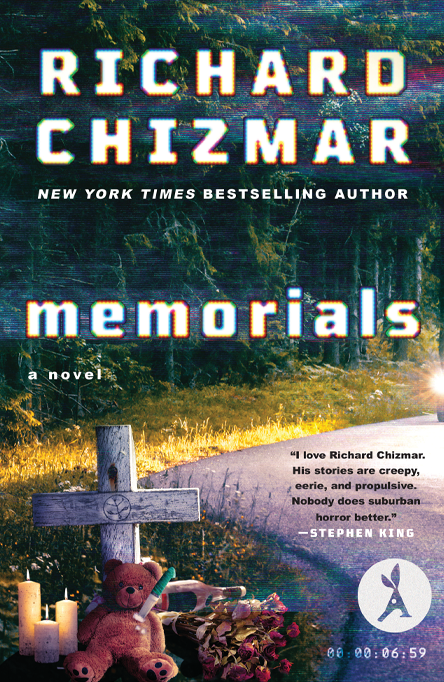
Memorials
A group of students encounter a supernatural terror while on a road trip through Appalachia in this chilling new novel.
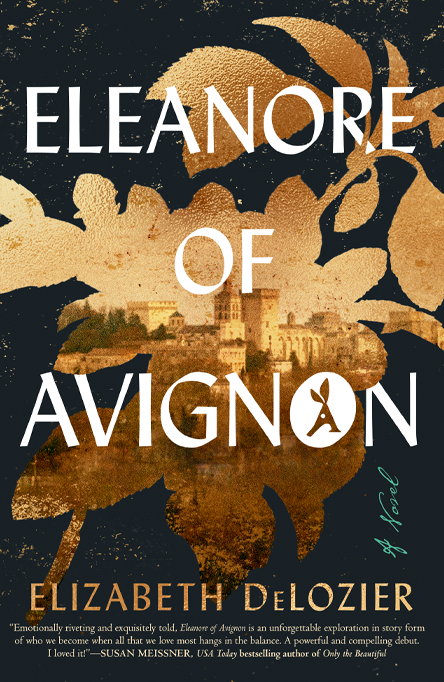
Eleanore of Avignon
The story of a healer who risks her life, her freedom, and everything she holds dear to protect her beloved city from the encroaching Black Death.
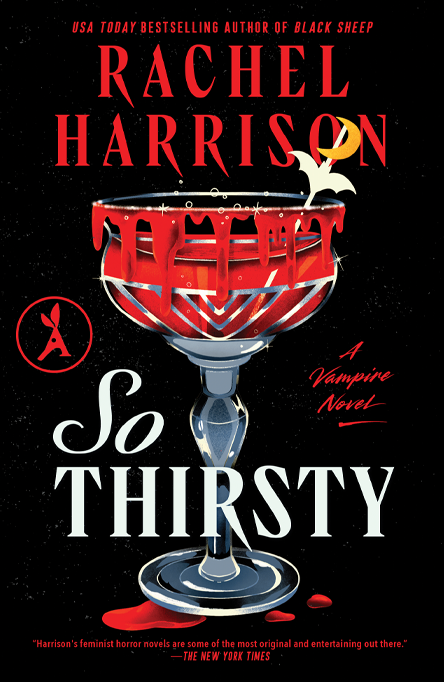
So Thirsty
A woman must learn to take life by the throat after a night out leads to irrevocable changes in this juicy, thrilling novel.
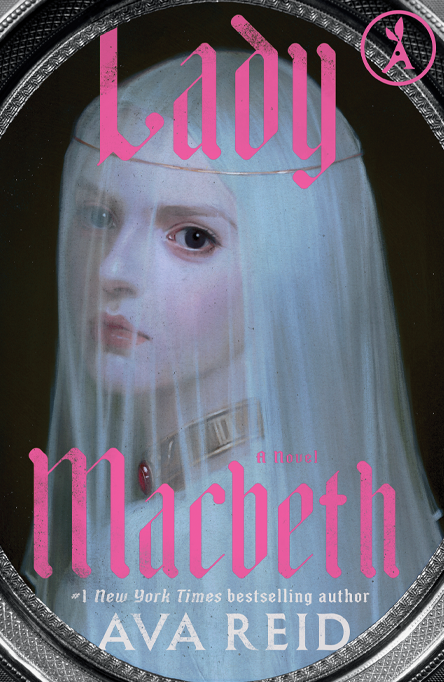
Lady Macbeth
A reimagining of Lady Macbeth, Shakespeare’s most famous villainess, giving her a voice, a past, and a power that transforms the story men have written for her.
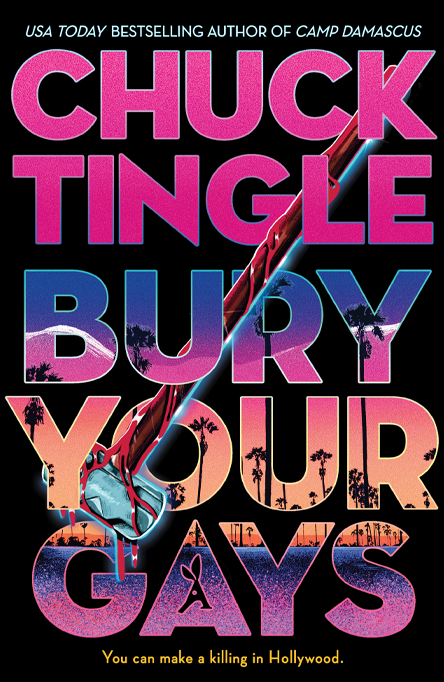
Bury Your Gays
Bury Your Gays is a heart-pounding new novel from bestselling author Chuck Tingle about what it takes to succeed in a world that wants you dead.
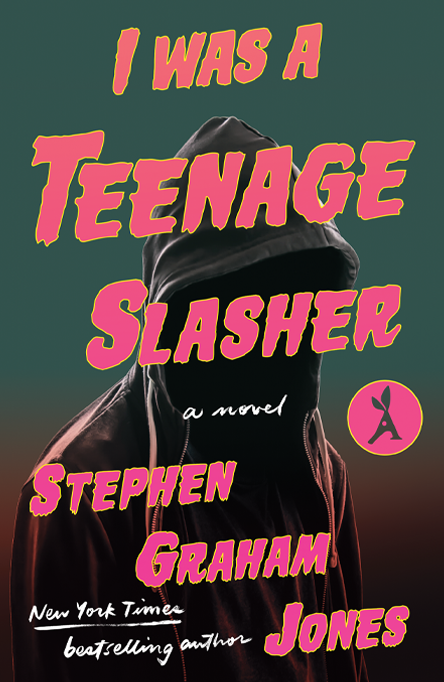
I Was a Teenage Slasher
From New York Times bestselling horror writer Stephen Graham Jones comes a classic slasher story with a twist—perfect for fans of Riley Sager and Grady Hendrix.
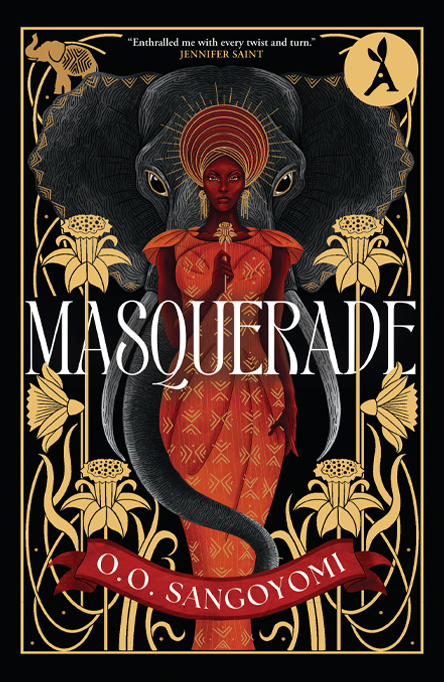
Masquerade
Set in a wonderfully reimagined 15th century West Africa, Masquerade is a dazzling, lyrical tale exploring the true cost of one woman’s fight for freedom and self-discovery, and the lengths she’ll go to secure her future.
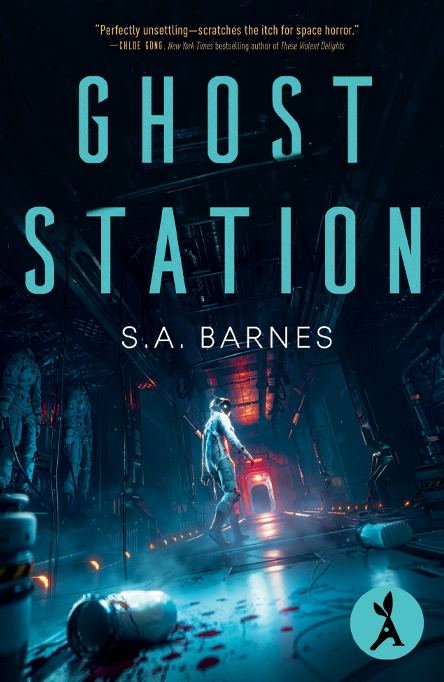
Ghost Station
A crew must try to survive on an ancient, abandoned planet in the latest space horror novel from S.A. Barnes, acclaimed author of Dead Silence.
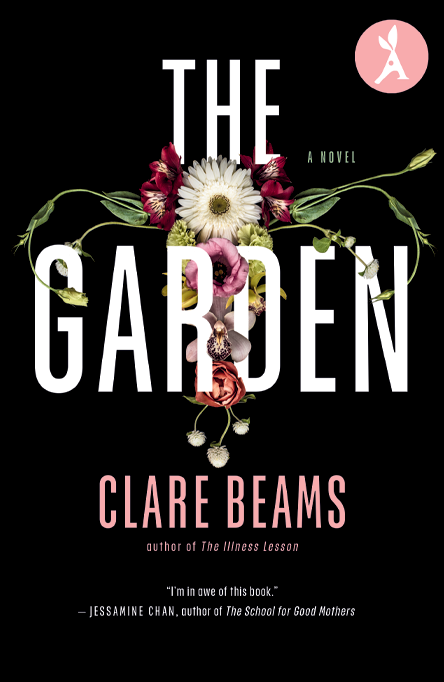
The Garden
The discovery of a secret garden with unknown powers fuels this page-turning and psychologically thrilling tale of women yearning to become mothers and the ways the female body has always been policed and manipulated.