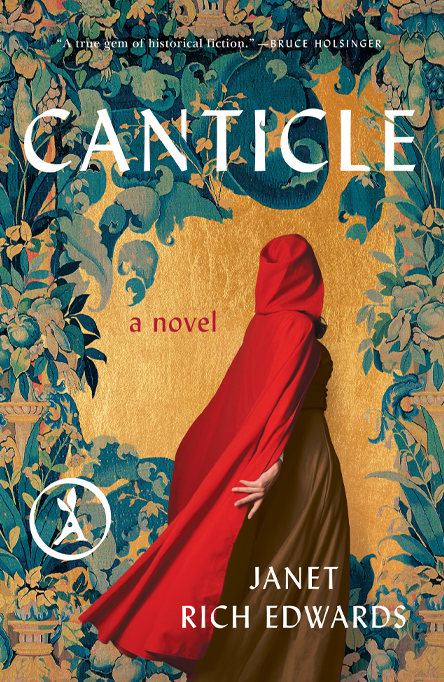
Set in thirteenth-century Bruges, this debut novel follows a young woman’s explorations of faith, agency, and love among a community of fiercely independent women.
Attempted sexual assault.
Aleys is sixteen years old and serious, stubborn, prone to religious visions. She and her only friend, a young scholar, have been learning Latin together in secret—but just as she thinks their connection might become something more, he abandons her for the monastery. When her family falls on hard financial times, her father promises her in marriage to the unctuous head of the weavers’ guild, and in desperation she runs away from home, eventually finding shelter within a community of religious women who do not answer to the church.
Among the hardworking and strong-willed Beguines, Aleys glimpses for the first time the joys of a life of song, friendship, and time spent in the markets and along the canals of Bruges. But forces both mystical and political are afoot. Illegal translations of scripture, the women’s independence, and a sudden rash of miracles all draw the attention of an ambitious bishop—and bring Aleys and those around her into ever-increasing danger, a danger that will push Aleys to a new understanding of love and sacrifice.
Introducing a spirited, indelible heroine and a major new talent, Canticle is a luminous work of historical fiction, vividly evoking a world on the verge of transformation.
Don't just take our word for it...
“Janet Rich Edwards has written a brave, intense novel about the mystical nature of a young woman’s faith and how easily it can find itself in opposition to politics and entrenched power.”
– Sarah Dunant, New York Times bestselling author of The Birth of Venus
“In Canticle, Janet Rich Edwards brings the medieval world brilliantly to life, exploring the dreams and desires of a community of women whose fascinating stories sing from every page. The novel is a suspenseful page-turner that is also rigorously researched and utterly convincing—a true gem of historical fiction.”
– Bruce Holsinger, author of Culpability
“Compelling, lyrical, and fresh, Canticle is a conjuring—of time, place, society, struggle. A tale of immense beauty, kinship, and how vision can be gift and curse in a world where the belief of a few can stifle the truth of the many, Aleys’s story is a miraculous work of historical fiction.”
– Kiran Millwood Hargrave, author of The Mercies
Taste the very first page
Brugge, County of Flanders
1299
The young woman appears in the square, wearing neither veil nor wimple, her short brown hair plaited behind her neck. She’s covered by a cloak of fine maroon wool; specks of white ash have drifted to land on her shoulders like snowflakes. The acrid smell of bonfire is already in the air. Witnesses will later swear the girl was lit like a taper, and some will claim she had a halo. They’ll say the brass steeple cocks spun as she entered the square and the clouds broke apart, fleeing south, fleeing north, at once all directions, impossible. Church bells snapped their stays and a wild clanging rose from every corner of the great city. No one is quite sure what happened.
As the crowd parts before her, Aleys sees the path of gray cobblestones receding to the stake. Parchment is piled high at its base. Smaller fires have already been lit, dotting the plaza. They’re burning her words, too.
A chant of “Sint! Sint!” rises from the crowd. Even now, even though the Church has named her heretic, the people still call her saint. It’s true and not true. They are all saints. They are none of them saints. They think her a miracle worker. They think she speaks with God. But really, everyone does. It’s just so hard to hear.
She takes a step, another step, her heart hammering.
Adieu, she thinks, I go to God. This time, truly, I go to God.
You might also like
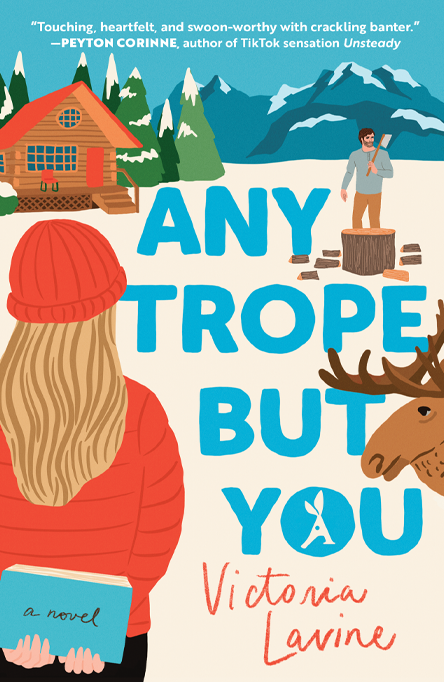
Any Trope But You
A bestselling romance author flees to Alaska to reinvent herself and write her first murder mystery, but the rugged resort proprietor soon has her fearing she’s living in a rom-com plot instead.
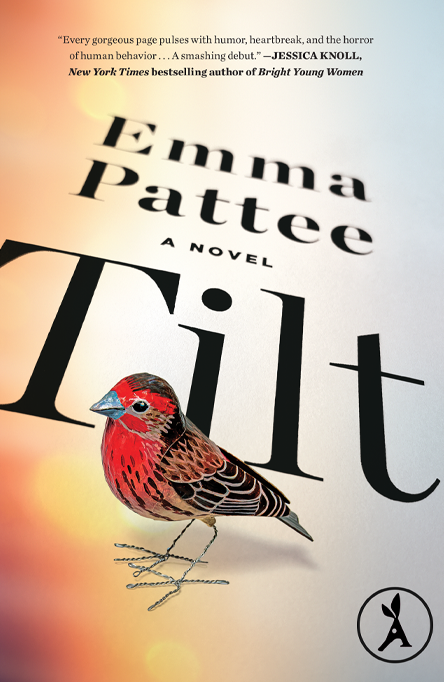
Tilt
Annie is nine months pregnant. She’s shopping for a crib at IKEA. That’s when the massive earthquake hits. There’s nothing to do but walk.
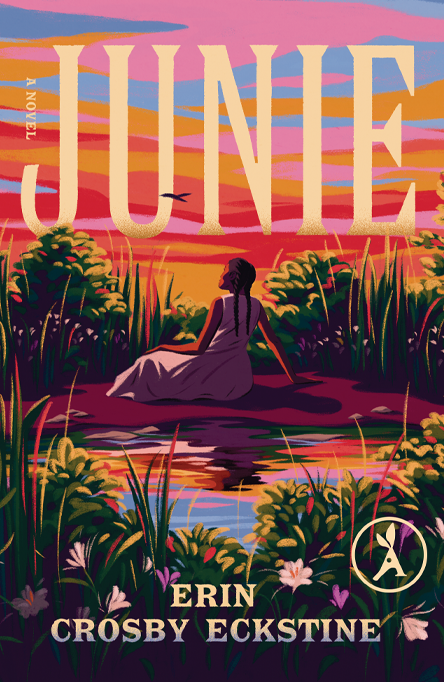
Junie
A young girl must face a life-altering decision after awakening her sister’s ghost, navigating truths about love, friendship, and power as the Civil War looms.
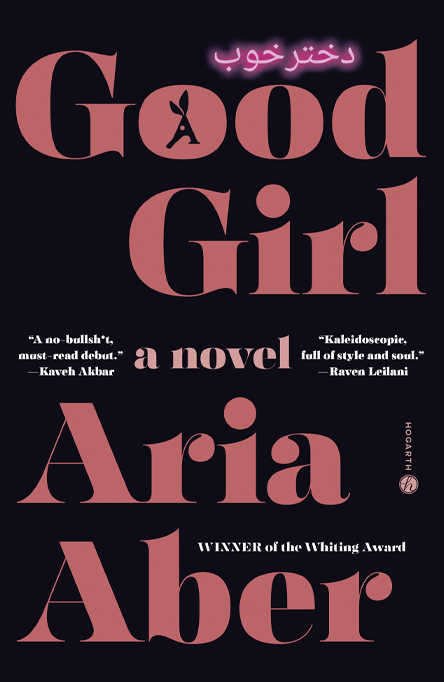
Good Girl
An electric debut novel about the daughter of Afghan refugees and her year of self-discovery and a portrait of the artist as a young woman set in a Berlin that can’t escape its history.
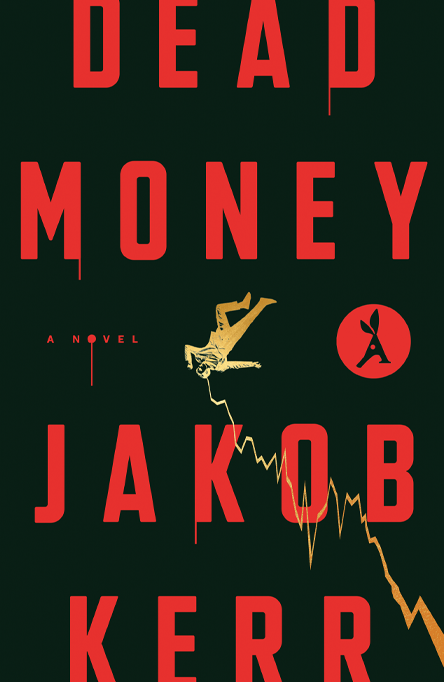
Dead Money
Featuring jaw-dropping twists and a wily, outsider heroine you can’t help rooting for, Dead Money is a brilliant sleight-of-hand mystery.
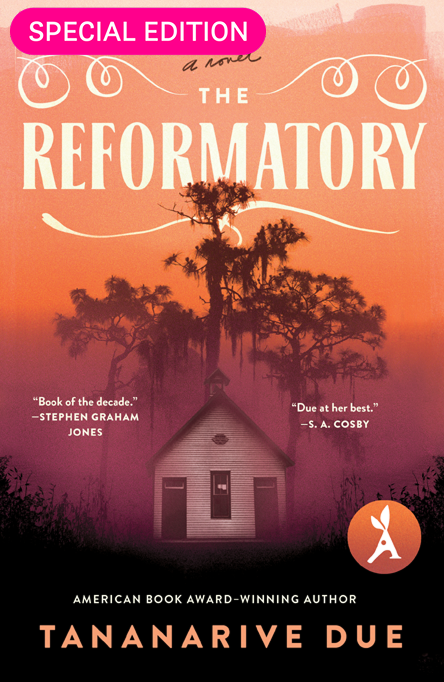
The Reformatory (2024 Members’ Choice)
A gripping, page-turning novel set in Jim Crow Florida that follows Robert Stephens Jr. as he’s sent to a segregated reform school that is a chamber of terrors where he sees the horrors of racism and injustice, for the living, and the dead.

Unromance
A recently dumped TV heartthrob enlists a jaded romance novelist to ruin romance for him—one rom-com trope at a time—so he never gets swept off his feet again…
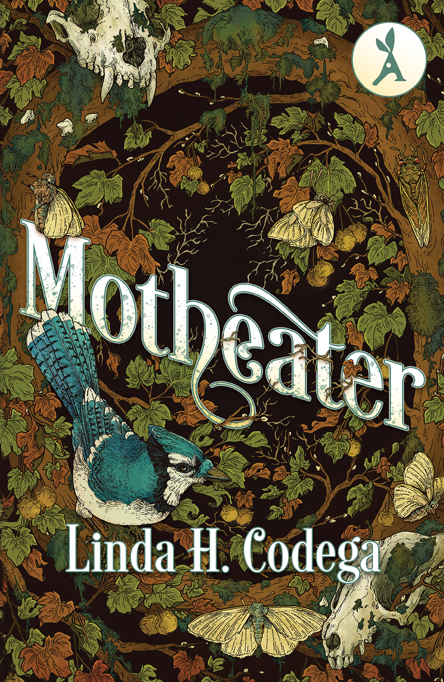
Motheater
In this nuanced queer fantasy set amid the Appalachian Mountains in Virginia, the last witch of the Ridge must choose sides in a clash between industry and nature.
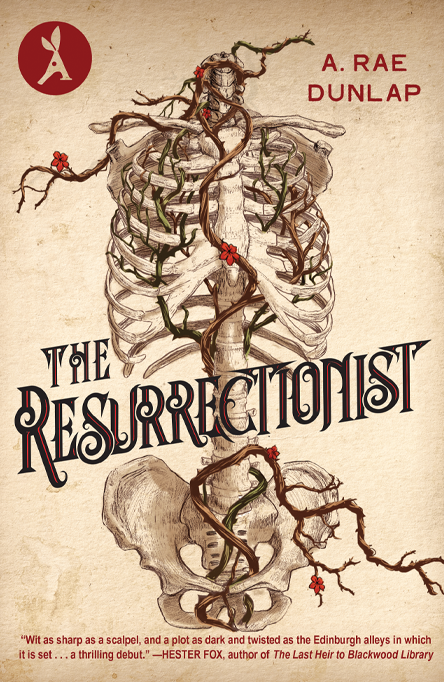
The Resurrectionist
A twisty gothic debut set when real-life serial killers Burke and Hare terrorized the streets of Edinburgh, as a young medical student is lured into the illicit underworld of body snatching.
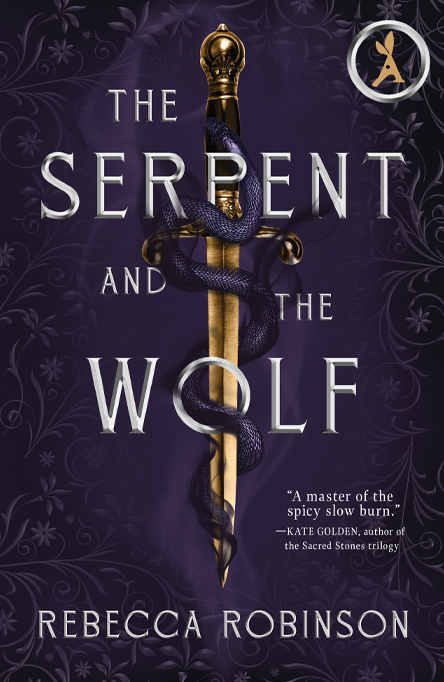
The Serpent and the Wolf
A thrilling romantasy debut combines high-stakes political intrigue and a steamy, slow-burn, enemies-to-lovers romance.
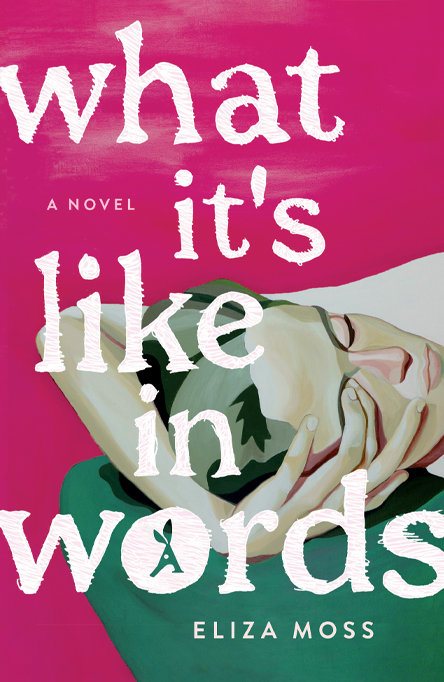
What It’s Like in Words
A dark, intense, and compelling account of what happens when a young woman falls in love with the wrong kind of man.
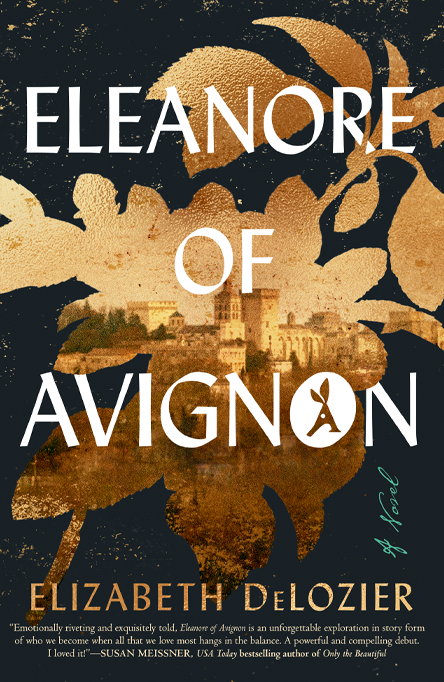
Eleanore of Avignon
The story of a healer who risks her life, her freedom, and everything she holds dear to protect her beloved city from the encroaching Black Death.

The Truth According to Ember
A Chickasaw woman who can’t catch a break serves up a little white lie that snowballs into much more in this witty and irresistible rom-com by debut author Danica Nava.
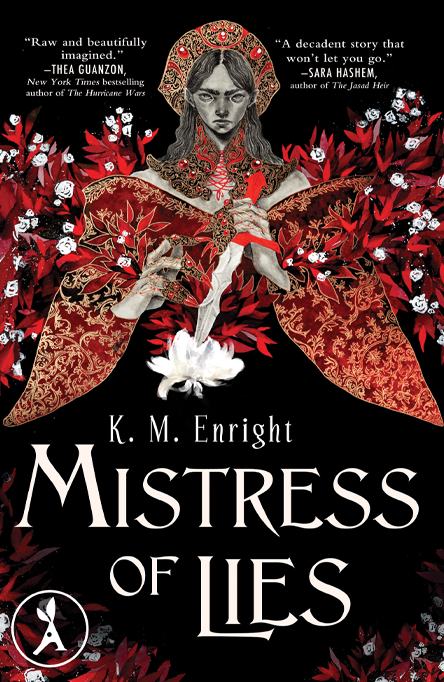
Mistress of Lies
A villainous, bloodthirsty heroine finds herself plunged into the dangerous world of power, politics and murder in the court of the vampire king in this dark romantic fantasy debut.
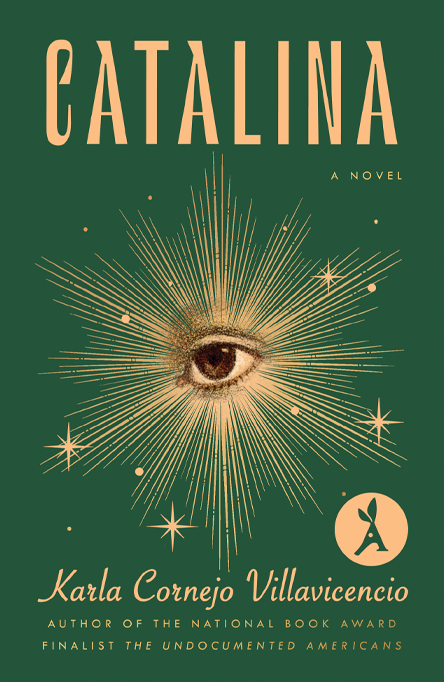
Catalina
A year in the life of the unforgettable Catalina Ituralde, a wickedly wry and heartbreakingly vulnerable student at an elite college.
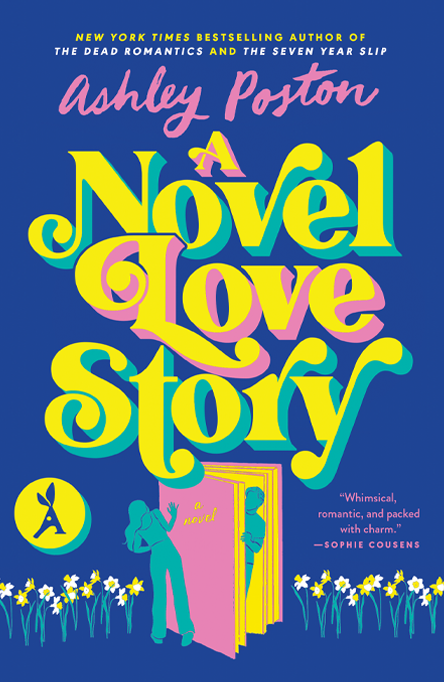
A Novel Love Story
A professor of literature finds herself caught up in a work of fiction…literally, from the New York Times bestselling author of The Seven Year Slip and The Dead Romantics.
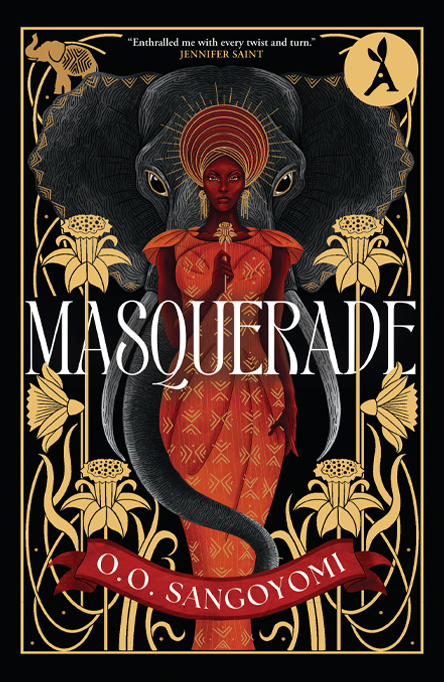
Masquerade
Set in a wonderfully reimagined 15th century West Africa, Masquerade is a dazzling, lyrical tale exploring the true cost of one woman’s fight for freedom and self-discovery, and the lengths she’ll go to secure her future.
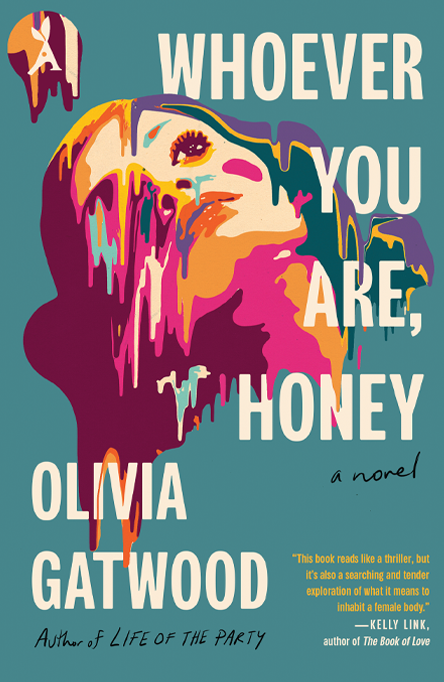
Whoever You Are, Honey
This darkly brilliant debut novel explores how women shape themselves beneath the gaze of love, friendship, and the algorithm—by a thrilling feminist voice for the age of AI.
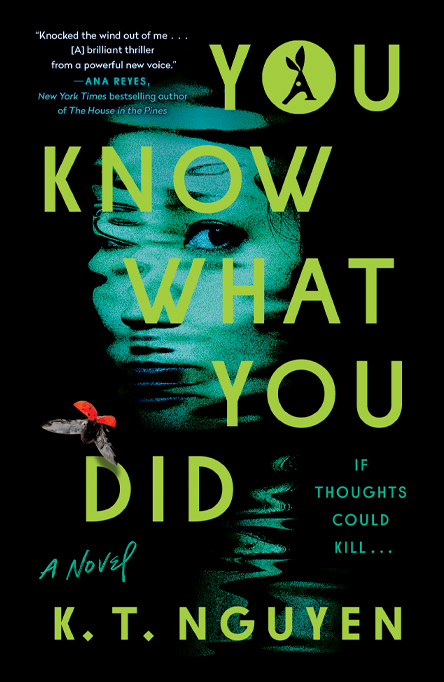
You Know What You Did
In this heart-pounding debut thriller for fans of Lisa Jewell and Celeste Ng, a first-generation Vietnamese American artist must confront nightmares past and present...